
Men’s fashion trends in casual wear have shifted dramatically in 2026, moving away from the hype-driven cycles of the past toward a more intentional, refined approach to everyday dressing. The most successful looks right now aren’t about chasing every fleeting microtrend. Instead, they’re about understanding which movements have staying power and how to integrate them into a wardrobe that works for your actual life.
What makes this moment different is the collision of comfort and craftsmanship. The relaxed silhouettes that dominated during recent years have evolved, becoming more structured without sacrificing ease. You’re seeing tailored overshirts replace basic hoodies, wide-leg trousers cut from technical fabrics, and knitwear that looks equally appropriate in a coffee shop or a casual Friday office.
The key is selectivity. Not every trend deserves your attention or your money. Some will fade within months, while others represent genuine shifts in how men approach casual style. The difference often comes down to versatility, quality of construction, and whether a piece solves a real wardrobe need rather than just filling temporary space.
This guide cuts through the noise to identify the casual trends worth your investment in 2026. These aren’t experimental looks that require a complete style overhaul. They’re strategic additions and smart updates that elevate your everyday rotation without demanding you abandon what already works. Think of it as evolution, not revolution, focused on building a casual wardrobe with genuine longevity.
Why Certain Casual Trends Deserve Permanent Wardrobe Status
Not every trend that appears on the runway or in street style photography deserves a place in your wardrobe. The difference between a lasting casual trend and a passing fad comes down to four essential qualities that determine whether something will serve you for years or collect dust after a season.
Versatility stands as the primary indicator of a keeper trend. The pieces worth maintaining work across multiple contexts in your life. A quality overshirt, for example, transitions seamlessly from weekend brunch to casual Friday at the office. If you find yourself reaching for an item repeatedly because it solves multiple style challenges, that’s a trend worth keeping. The best casual pieces don’t demand specific circumstances; they adapt to your actual schedule.
Quality construction separates investment pieces from throwaway fashion. Trends built on superior fabrics, reinforced stitching, and thoughtful design details withstand both physical wear and shifting style preferences. A well-constructed pair of relaxed-fit chinos in premium cotton will outlast three cheaper alternatives while maintaining its shape and color. You’re not just buying into a trend; you’re acquiring a piece that improves with age rather than deteriorating.
Timeless appeal matters more than trendiness. The casual fashion trends worth keeping share visual DNA with classic menswear while incorporating modern proportions and details. Minimalist sneakers exemplify this balance perfectly. They reference decades of athletic footwear history while offering contemporary silhouettes that complement current casual styles without screaming for attention.
Ease of styling determines how often you’ll actually wear something. Trends that require extensive thought or specific complementary pieces rarely earn their wardrobe space. The most valuable casual trends integrate effortlessly into your existing rotation. When elevated athleisure pieces or relaxed tailoring work with your current wardrobe without demanding a complete style overhaul, they prove their staying power.
These characteristics align perfectly with how modern men actually live. Your lifestyle demands clothes that work hard across varied situations, maintain quality through frequent wear, and reflect personal style without constant reinvention. Keeper trends support this reality instead of fighting against it.
Elevated Athleisure: The Casual Trend That Transformed Men’s Wardrobes
Athleisure fundamentally changed how men approach casual dressing by proving that comfort and style are not mutually exclusive. What started as gym clothes worn outside the fitness center evolved into a sophisticated category that borrows athletic functionality while maintaining the polish required for everyday life in 2026.
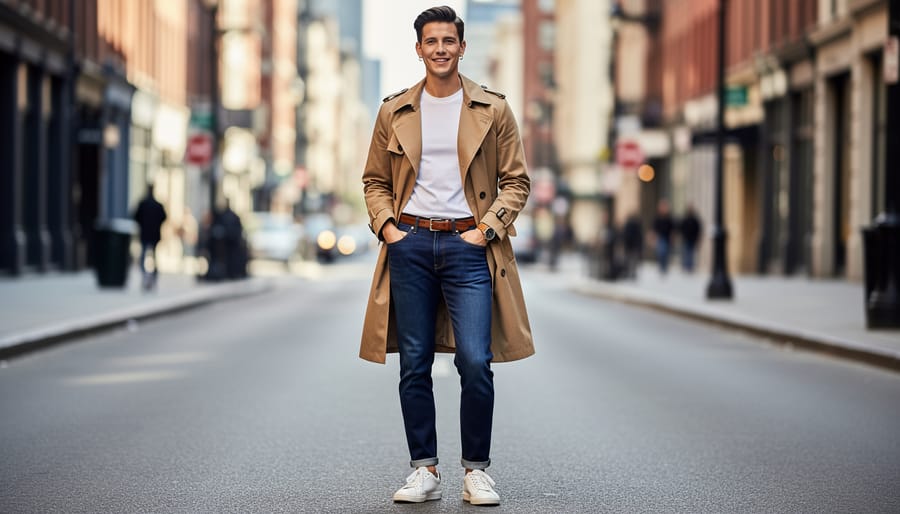
The transformation centers on construction and fit. Tailored joggers exemplify this shift: they incorporate the comfort of sweatpants but feature tapered legs, clean lines, and premium fabrics that look intentional rather than lazy. Quality versions use structured waistbands, hidden drawstrings, and fabrics with body that hold their shape throughout the day. Pair them with a crisp Oxford shirt and minimal sneakers for coffee meetings, or layer under a wool overcoat for elevated weekend wear that transitions seamlessly from brunch to casual evening plans.
Performance fabrics migrated from technical sportswear into everyday staples, bringing moisture-wicking properties, stretch, and durability to pieces you would not expect. Modern casual shirts now incorporate these materials without looking overtly athletic. A performance polo maintains its structure in humid weather, while stretch-cotton chinos with moisture management move with you during active days without sacrificing a clean silhouette. The key is choosing pieces where the technical benefits enhance wear rather than announce themselves visually.
Styling athletic-inspired pieces beyond the gym requires balance. The rule: pair one athletic element with traditional casual pieces. A technical bomber jacket works over tailored trousers and leather sneakers. A merino performance tee looks sharp under an unstructured blazer with dark denim. Avoid head-to-toe athletic looks unless you are actually exercising.
This trend persists because it addresses real needs. Men in 2026 value clothing that performs across contexts without requiring complete outfit changes. Elevated athleisure delivers versatility that traditional casual wear struggles to match, adapting to commutes, work-from-home days, travel, and social occasions with minor adjustments. The pieces that earn permanent wardrobe status are those that look refined enough for your standards while feeling comfortable enough to forget you are wearing them.
Relaxed Tailoring: Where Comfort Meets Structure
Relaxed tailoring has fundamentally reshaped how modern men approach dressed-up casual wear. The rigid, shoulder-padded blazers and stiff chinos that once defined business casual have given way to softer, more breathable alternatives that look polished without feeling restrictive. This shift reflects how men actually live now, moving between coffee meetings, co-working spaces, and social gatherings without the luxury of outfit changes.
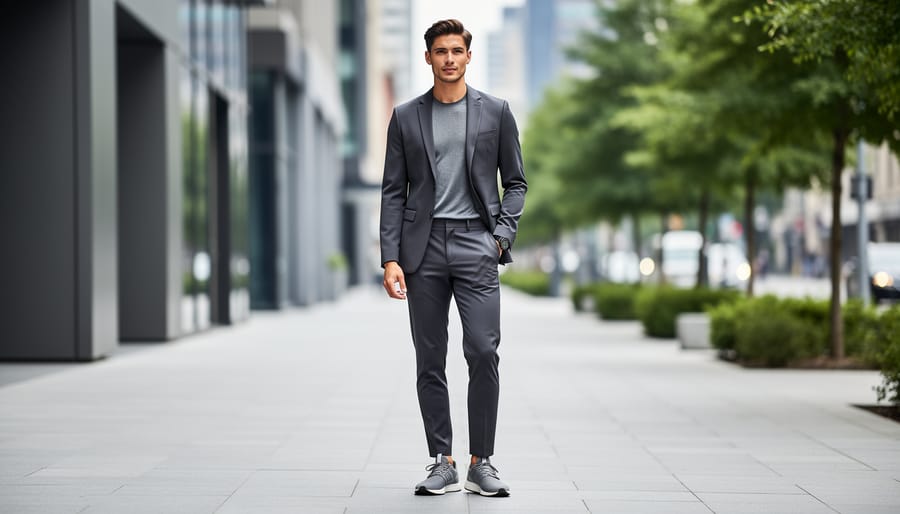
Unstructured blazers anchor this trend. Unlike traditional sport coats with canvas interlining and structured shoulders, these pieces drape naturally on the body. They’re constructed with minimal internal support, often featuring soft shoulder lines and unconstructed fronts that move with you rather than against you. Fabrics matter enormously here: cotton blends, linen, and jersey-backed wool deliver the visual polish of tailoring with the comfort of elevated knitwear. You can throw one over a plain t-shirt and instantly look intentional, not overdressed.
Relaxed-fit trousers complete the equation. We’re talking about pants with higher rises, fuller legs through the thigh, and tapered ankles, not the skinny cuts that dominated the 2010s. Pleated fronts have made a comeback, adding visual interest while providing room to move. These trousers work equally well with sneakers for weekend errands or leather shoes for dinner, making them the ultimate casual-to-smart transition piece.
The real value of relaxed tailoring lies in its versatility. A well-chosen unstructured blazer in navy or charcoal grey pairs with everything from dark denim to tailored joggers, creating dozens of outfit combinations from just a few pieces. The softer silhouette reads as approachable and contemporary rather than corporate, which aligns perfectly with the confident, comfortable aesthetic that defines smart casual dressing in 2026.
Quality construction remains non-negotiable. Even relaxed pieces should feature clean stitching, functional buttonholes, and thoughtful details that signal craftsmanship rather than cheapness.
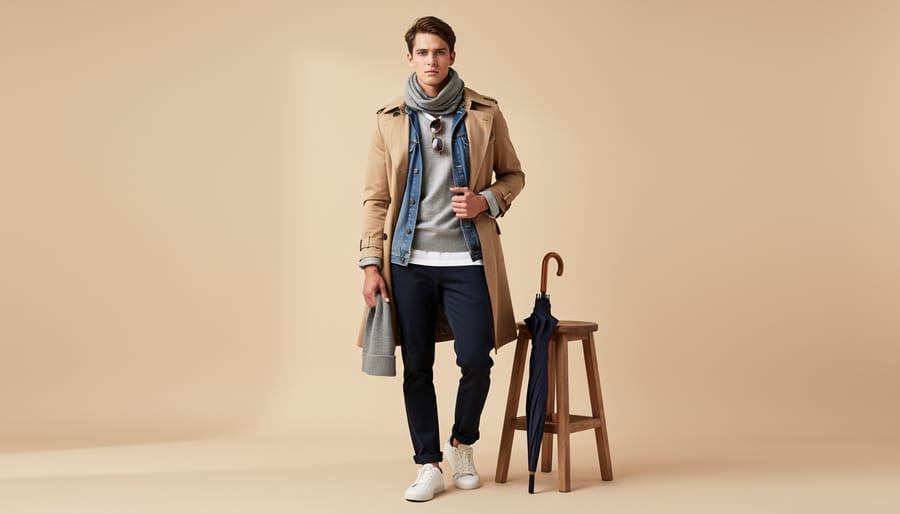
Layering Essentials That Never Go Out of Style
Layering transforms basic pieces into dynamic outfits with depth and visual interest. For the modern man navigating casual fashion trends, mastering foundational layers means building outfits that work across temperatures, occasions, and seasons without looking overdone. The right layering pieces become your most-worn items precisely because they multiply the utility of everything else in your wardrobe.
Start with overshirts, the unsung hero of casual layering. These sit between a traditional shirt and a light jacket, offering just enough weight to add dimension without bulk. A cotton twill overshirt in navy or olive works over T-shirts in spring, under denim jackets in fall, and alone as a shirt-jacket hybrid when temperatures shift. Look for models with chest pockets and a slightly relaxed fit through the body, which allows room for a henley or polo underneath without creating visual bulk.
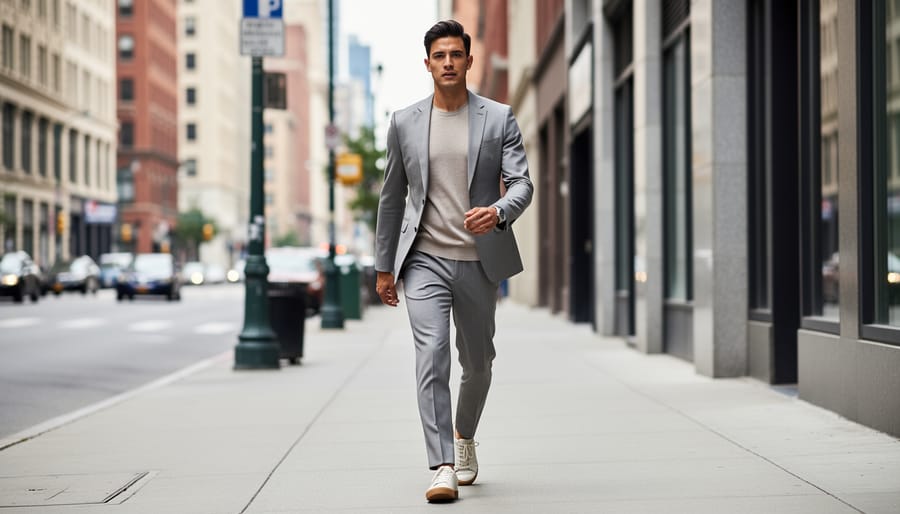
Lightweight knitwear bridges the gap between seasons better than almost anything else. A merino wool crewneck or quarter-zip adds warmth and texture without the commitment of heavier sweaters. These pieces layer seamlessly over oxford shirts for smart-casual settings or elevate basic tees for weekend wear. Stick with neutrals like charcoal, camel, or cream for maximum versatility, though a burgundy or forest green adds depth to your rotation. The key is choosing knits that hold their shape after washing and wear thin enough to layer under blazers when needed.
- Base layer: Start with a well-fitted T-shirt, henley, or fine-gauge polo in neutral tones that create a clean foundation.
- Middle layer: Add an overshirt, lightweight crewneck, or fine-knit cardigan that introduces texture and provides core warmth without restricting movement.
- Outer layer: Finish with versatile outerwear like a bomber jacket, chore coat, or harrington that completes the silhouette and handles the weather.
Versatile outerwear completes your layering arsenal. A well-cut bomber jacket in nylon or suede works for nights out and casual Fridays alike. Chore coats in canvas or corduroy add workwear appeal that pairs naturally with jeans and sneakers. The harrington jacket remains the ultimate spring-through-fall option, sleek enough for dinner yet practical for daily wear.
Strategic layering extends your wardrobe’s reach exponentially. That white T-shirt and dark jeans become ten different outfits when paired with the right combination of overshirt, knitwear, and jacket. Focus on pieces that work independently and together, avoiding items so statement-heavy they only function alone.
Sustainable Fabrics and Conscious Casual Wear
Sustainability has shifted from marketing buzzword to essential consideration in men’s casual fashion. The materials you choose directly impact how your clothes look, feel, and last, which makes eco-conscious fabrics one of the most practical trends to embrace.
Organic cotton stands as the most accessible entry point. Unlike conventional cotton, organic varieties avoid synthetic pesticides and use significantly less water during cultivation. The result feels softer against your skin and holds up better through repeated washing. When shopping, look for GOTS certification rather than vague “eco-friendly” claims. A quality organic cotton tee typically costs $30-50, but you’ll wear it for years rather than months.
Recycled synthetics represent another major shift. Brands now transform post-consumer plastic bottles and fishing nets into performance fabrics that rival virgin polyester in durability. These materials excel in activewear, swim shorts, and lightweight jackets where moisture-wicking matters. The technology has advanced enough that you cannot distinguish recycled from new by touch or appearance.
Innovative plant-based fabrics continue emerging. Tencel, derived from eucalyptus pulp, offers breathability that works brilliantly in warm-weather shirts and underwear. Hemp blends provide natural antimicrobial properties and soften with age, making them ideal for casual button-downs and chinos. Both options maintain shape better than you’d expect from their environmental credentials.
This trend persists because it solves real problems. Sustainable fabrics often perform better, last longer, and require less chemical processing, benefits that directly affect your wearing experience. The environmental aspect becomes a bonus rather than a compromise.
Quality indicators remain consistent regardless of material origin. Check for tight, even weaves in fabrics. Test seam construction and hardware. Read care labels; sustainable pieces designed to last typically require gentler washing and air drying. Higher thread counts in organic cotton and denser knits in recycled blends signal investment-grade construction.
The price premium for sustainable casual wear continues shrinking as production scales up, making conscious choices increasingly practical for building a wardrobe that reflects both personal style and longer-term thinking.
The Return of Classic Denim (Done Right)
Denim never truly disappears from men’s casual style, but the way we wear it evolves constantly. After years of extreme skinny fits and distressed finishes dominating retail, we’re witnessing a return to quality construction and classic cuts that actually flatter different body types. This shift reflects a broader maturity in casual menswear where fit matters more than flash.
The current denim landscape favors medium washes and darker indigos over heavily faded or pre-worn styles. These versatile shades transition seamlessly from weekend errands to casual Friday environments, making them genuine wardrobe workhorses. Raw and selvedge denim have moved beyond niche enthusiast circles into mainstream acceptance, valued for their durability and the way they develop unique character through natural wear patterns.
| Fit Type | Best For | Styling Occasions | Key Features |
|---|---|---|---|
| Slim Straight | Athletic, average builds | Smart-casual, date nights | Clean lines without restriction |
| Regular Straight | All body types | Daily wear, versatile | Timeless proportions, room through thigh |
| Relaxed Tapered | Broader builds, comfort-focused | Weekend casual, creative settings | Generous through hip, tapered ankle |
The most essential piece for any denim collection remains a dark indigo jean with minimal distressing. This single pair handles everything from casual business meetings to dinner reservations when styled with a blazer and quality footwear. Your second acquisition should target a mid-wash straight fit that complements t-shirts and casual button-ups equally well.
Quality markers separate investment denim from disposable pairs: look for reinforced stitching, substantial weight fabric (12-14 oz minimum), and proper construction details like chain-stitched hems and riveted stress points. These features ensure your jeans maintain their shape and appearance through years of regular wear rather than sagging or fading prematurely.
Minimalist Sneakers as Wardrobe Anchors
Minimalist sneakers have become the foundation of modern men’s casual fashion, proving that simplicity executed well beats flashy complexity every time. These clean-lined shoes work precisely because they don’t compete with your outfit, they anchor it.
The dominance of minimalist designs stems from their remarkable versatility. A premium white leather sneaker pairs equally well with tailored trousers for smart-casual settings or with denim for weekend wear. This flexibility makes them more valuable than trendy statement shoes that limit your styling options. The best minimal sneakers feature quality leather uppers, subtle branding (or none at all), and streamlined silhouettes that read as intentional rather than basic.
Color selection matters more than most realize. White remains the most versatile option, but off-white and cream tones offer sophistication with less maintenance pressure. Navy and charcoal grey serve as excellent secondary choices that complement most casual wardrobes without the stark contrast of pure white. Avoid multiple bright colors or excessive texture, these details age poorly and reduce pairing potential.
Material quality separates premium minimalist sneakers from cheap imitations. Full-grain leather develops character over time and withstands daily wear better than synthetic alternatives. Look for Margom or similar quality soles that provide comfort and durability. Poor stitching, flimsy insoles, and thin materials reveal themselves quickly through wear.
The real power of minimalist sneakers lies in their ability to elevate casual outfits without undermining polish. Where chunky or technical sneakers can drag an outfit toward pure casualwear, clean minimal designs maintain sophistication. They’ve transcended the sneaker-versus-shoe debate by occupying a unique middle ground, casual enough for relaxed settings, refined enough for environments where athletic shoes would feel out of place.
Building Your Keeper Collection: Strategic Wardrobe Investment
Building a casual wardrobe around lasting trends requires strategic thinking rather than impulsive purchasing. Start by allocating your budget according to wear frequency and item longevity. Premium basics that you’ll wear multiple times weekly deserve a larger investment than statement pieces you’ll reach for occasionally. Quality T-shirts, well-constructed chinos, a versatile denim jacket, and minimal sneakers should command the majority of your foundational budget because they form the backbone of countless outfits.
When assessing quality, examine construction details rather than brand names alone. Check seam strength, fabric weight, and finishing touches like reinforced stress points and quality hardware. A well-made piece from a lesser-known brand often outperforms poorly constructed designer items at triple the price. Feel the fabric, test the zippers, and assess whether the garment will maintain its shape after multiple wears and washes.
Integration strategy matters as much as individual purchases. Before buying any new piece, mentally style it with at least three items you already own. This three-outfit rule prevents orphan pieces that look great in isolation but clash with your existing wardrobe. Build around a consistent color palette, typically neutrals like navy, grey, olive, and tan, which allows maximum mixing potential.
Start with gaps rather than duplicates. If you already own five solid T-shirts but lack quality outerwear, redirect funds toward a versatile jacket that extends your wardrobe’s seasonal range. Create a priority list ranking items by versatility and current need, then work through it methodically rather than buying whatever catches your eye. This disciplined approach builds a cohesive casual collection where every piece earns its place through regular wear and seamless integration with your lifestyle.
The casual trends worth keeping in 2026 share one defining quality: they enhance your life rather than complicate it. When you build your wardrobe around versatile, well-made pieces that genuinely fit your routine, getting dressed stops feeling like guesswork and starts feeling natural.
Chasing every emerging trend creates closet chaos and drains your budget. The smarter approach? Invest deliberately in the men’s fashion trends casual enough for daily wear yet refined enough to project confidence. These are the pieces you’ll reach for repeatedly, the ones that prove their worth season after season.
Quality always outlasts quantity. A single well-constructed overshirt or pair of minimalist sneakers delivers more value than a dozen impulse buys that sit unworn. The trends outlined here work precisely because they adapt to your circumstances rather than demanding you adapt to them.
Your personal style isn’t about following every shift in men’s casual fashion trends. It’s about recognizing which movements align with who you are and how you live. Some trends will resonate immediately, others won’t, and that clarity is itself a form of style confidence.
Start with one or two pieces from the categories that speak to you most. Wear them consistently. Notice how they integrate with what you already own. Real style develops through this process of testing, refining, and building gradually. The wardrobe that truly serves you isn’t assembled overnight, but when you prioritize substance over hype, every addition becomes an upgrade that lasts.