
Ipamorelin is an investigational peptide, and buying it as a “research chemical” does not make it a legal or approved option for personal use. The short version: it isn’t an approved medication, products like the one listed at https://kylopeptides.com/product/ipamorelin/ are sold labeled for laboratory research only, and that label carries real weight. It means the seller is telling you, in plain terms, that the product isn’t intended for human use.
If you’re a guy who researches everything from fabric weights to grooming ingredients before spending a dollar, you already have the right instinct. Apply it here, and then some. Stakes are higher with something you’d put in your body than with a jacket you’d hang in your closet.
This guide answers the questions cautious buyers ask most: what ipamorelin actually is, who can legally obtain it, what “research use only” means for your rights and obligations, which red flags signal a seller to skip, and where to turn for official help.
No hype, no sales pitch. Just straight answers so you can decide with clear eyes.
What Ipamorelin Is and Why ‘Research Use Only’ Labels Matter
What the Science Does and Doesn’t Show
Here’s the honest picture: most of what we know about ipamorelin comes from lab work and early-stage studies, not from large, long-term trials in everyday men. Researchers have looked at how it prompts growth hormone release and how it compares with similar peptides, but that is a long way from proof that it builds muscle, speeds recovery, or slows aging. A fair read of the evidence on growth-hormone peptides shows plenty of open questions, especially around long-term safety and real-world results.
That gap matters because vendor sites rarely acknowledge it. Bold promises about body composition or energy tend to lean on mechanism-level findings and skip the missing human data. If you want a useful way to think about the difference, our breakdown of evidence vs claims walks through how to separate a genuine finding from a marketing line.
One more thing worth flagging early: if you compete in tested sports, this isn’t just a science question. Ipamorelin and related peptides generally sit on prohibited lists maintained by major anti-doping bodies, so check your governing organization’s current rules before anything else.
Who Can Legally Buy Ipamorelin? Eligibility and Compliance Basics
Athletes and Tested Professionals: A Separate Rulebook
If you’re subject to drug testing, this is the rulebook that matters most. Ipamorelin is a growth hormone secretagogue, and major anti-doping bodies generally classify peptides in this family as prohibited, both in and out of competition. The World Anti-Doping Agency publishes its list annually, so a quick check of the WADA prohibited list updates is the sensible first step before you buy anything.
“Research use only” doesn’t change this. A label on a vial is not a defense in a positive test, and athletes are held responsible for whatever is in their system.
| Buyer type | Generally permitted | Typical requirements | Main risk |
|---|---|---|---|
| Licensed researcher or institution | Laboratory research use | Institutional oversight and documentation | Compliance and handling obligations |
| Individual consumer | Unclear; not approved for personal use | Local law varies, so verify it | No safety assurance, little recourse |
| Patient with a prescriber | Only what a licensed clinician lawfully prescribes | Medical oversight | Evidence gaps and testing rules |
Even a prescription doesn’t override your sport’s rules. If you compete, ask your governing body or a sports medicine physician before anything else.
Your Rights and Obligations as a Research Buyer

Buying under a “research use only” label puts you in a different position than buying something off a pharmacy shelf. Knowing where you stand before you click “order” saves headaches later.
A legitimate supplier should give you the basics without a fight:
- Accurate labeling that names the compound, quantity, and batch.
- Transparent sourcing, including who manufactures the product and where.
- Independent lab results that match the batch you actually receive.
- Clear refund, return, and shipping-damage policies written in plain language.
- Payment through methods that offer some buyer protection, not just untraceable transfers.
That’s the reasonable baseline. The other side of the ledger is yours to carry:
- Following the laws in your country and state, including import and possession rules.
- Honoring the vendor’s terms of sale, even the restrictive ones.
- Never presenting or reselling the product as fit for human use.
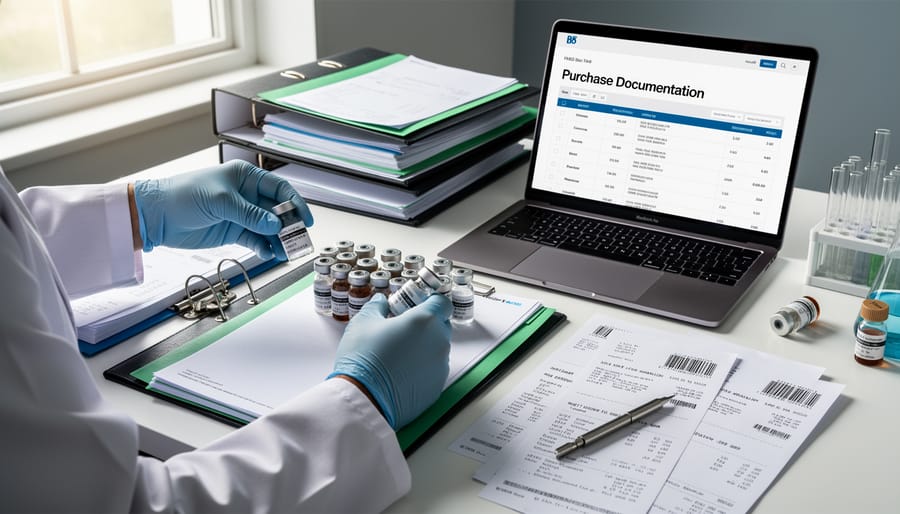
- Keeping your own records of orders, lot numbers, and correspondence.
Here’s the part most buyers skim past. “Research use only” disclaimers aren’t just decoration. They typically state that the product isn’t for human consumption, and many shift liability squarely onto you. If something goes wrong, whether that’s a mislabeled vial, contamination, or a health problem, the vendor can point to those terms and say you agreed to them. Your recourse becomes limited, and in practice that often means a refund dispute at best.
Think of it like buying a tailoring-grade fabric sold “for display purposes only.” If you cut it into a suit and it fails, the seller isn’t picking up the tab. The label told you what the product was never meant to do.
So read the terms before you pay, save everything, and treat any promise of “support” that contradicts the disclaimer with healthy skepticism.
Frequently Asked Questions From Research Buyers
Red Flags That Should Make You Walk Away
Some warning signs are easy to spot once you know where to look. Treat any of the following as a reason to close the tab:
– No third-party lab reports. Not “tested in-house,” not a blurry screenshot. If you can’t see an independent lab’s name and a batch number that matches the product, there’s nothing to trust.
– Miracle-result claims. Promises of dramatic muscle, fat loss, or “reversed aging” are marketing, not evidence.
– Vague company details. No physical address, no named business, no real contact route? Walk.
– Unusually low prices. Cheap usually means corners were cut somewhere you can’t see.
– Pressure tactics. Countdown timers, “only three left,” and urgency pushes are a sales trick, not a service.
Sharp-eyed shopping carries over from other parts of life, and the same instincts apply here. Our buyer beware basics are a good refresher: if a deal feels too slick, trust that gut feeling. When in doubt, skip the purchase and ask a licensed professional instead.
Where to Get Help: Doctors, Regulators, and Reliable Sources

If you’re weighing ipamorelin, the smartest move is to talk to someone who can look at your actual health picture. Start with a licensed physician or an endocrinologist. They can order baseline labs, review your sleep, stress, and training load, and tell you which evidence-backed options fit your goals, whether that’s energy, body composition, or recovery.
Rules shift, so check current sources rather than trusting a vendor’s page. Here’s where to look:
- Medical advice: your primary care doctor or an endocrinologist, who can run bloodwork and discuss approved options.
- Regulatory status: the FDA or your national health agency, which publish current guidance on peptides and compounding.
- Anti-doping checks: the prohibited list from your sport’s governing body or the World Anti-Doping Agency.
- Reporting problems: FDA MedWatch in the U.S. (or your country’s equivalent) for adverse reactions and suspect products.
Your goal shapes the conversation. If you’re chasing more energy, ask about sleep apnea, thyroid, and testosterone testing before anything else. If it’s body composition or recovery, a doctor or qualified trainer can build a plan around nutrition, resistance training, and rest, which still outperforms most shortcuts. And if you’re simply unsure how clinical care differs from gym-floor advice, our guide to men’s health vs fitness can help you decide who to ask first.
Feeling confident in your body starts with knowing what’s actually going into it. Ask questions, keep records of anything you’ve tried, and stay informed by returning to official sources before you spend a cent.
Here’s the bottom line: ipamorelin sits in a gray zone. It’s an investigational peptide with limited human evidence, and a “research use only” label tells you nothing about whether a product is safe, pure, or legal for personal use. Verify everything before you spend a dollar, and bring a licensed physician into the conversation.
Is ipamorelin an approved medication?
No. It has no established, approved human therapeutic use, so any seller implying otherwise deserves skepticism.
What should I check before buying?
Look for third-party lab reports, clear company details, and honest labeling. Walk away from miracle claims or sellers offering dosing advice.
Where can I confirm current rules?
Check the FDA, your national health agency, and any anti-doping body that governs you, since rules shift and vary by location.
The smartest move is rarely the shortcut. If energy, recovery, or body composition is what you’re after, a conversation with a doctor or endocrinologist will get you further, and more safely, than an unverified vial ever will. Build your routine on evidence, stay patient, and let long-term wellness do the heavy lifting.