
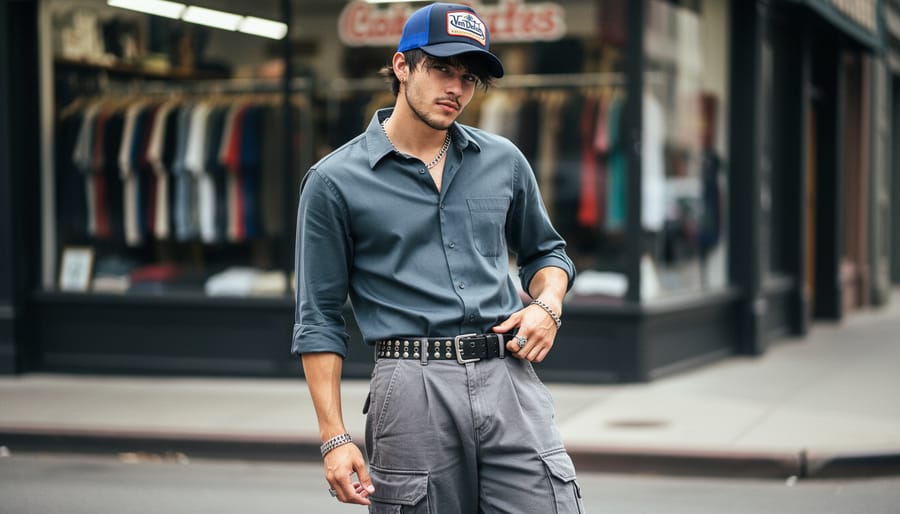
The early 2000s gave men Von Dutch trucker hats, popped collars, baggy cargo shorts, and studded belts that defined a generation. Now, two decades later, Y2K aesthetics are resurging across runways and streetwear, making those once-divisive trends surprisingly relevant for 2026. Whether you’re hunting for authentic vintage pieces or wondering which elements translate to modern wardrobes, understanding the era’s signature looks helps you cherry-pick what works today without committing full-throttle to nostalgia.
This return isn’t about carbon-copying 2006. It’s about extracting the confidence and experimentation that made casual fashion trends from that decade so polarizing. Brands like Gucci and JW Anderson are already reinterpreting early-2000s silhouettes through tailored coats with pinstripe motifs and technical fabrics, while thrift stores overflow with authentic pieces waiting to be rediscovered. The trick lies in balancing period-accurate details with contemporary proportions, creating outfits that nod to the past without looking like you stepped out of a time capsule.
Why 2000s Men’s Fashion Is Making a Comeback
The 2000s menswear revival isn’t just nostalgia, it’s a convergence of cultural timing and accessible style evolution. Men who grew up during the Y2K era now have the disposable income and fashion confidence to revisit their formative years, while younger men discover these trends as fresh alternatives to minimalist uniformity. This generational overlap creates genuine demand rather than fleeting irony.
Thrift stores play a crucial role in making this movement accessible. Vintage Y2K pieces, from authentic Von Dutch trucker hats to structured overcoats straight from the ’80s, are readily available at prices that encourage experimentation. Specialty retailers like ThriftTale have capitalized on this demand, curating authentic vintage brands for men seeking unique Y2K streetwear without the premium markup of contemporary reinterpretations.
Contemporary brands are elevating Y2K aesthetics beyond their original execution. Power coats, structured overcoats with pinstripe motifs and reinforced nylon, exemplify how designers are extracting the core appeal of 2000s tailoring while refining proportions and construction. These modern iterations offer wearability that the original trends sometimes lacked, balancing bold statements with sophisticated restraint. The result is a movement that honors the past without being trapped by it, giving men permission to incorporate individual elements that resonate with their personal style rather than adopting full-costume nostalgia.
How We Selected These 2000s Fashion Trends
We built this list around four key criteria that ensure each trend delivers both authentic Y2K flavor and genuine wearability for 2026. Not every fleeting 2000s fad made the cut, we focused on pieces that strike a balance between period accuracy and contemporary relevance.
Our selection framework included:
- Iconic status during the 200-2009 era, verified through period fashion journalism and retail data
- Current availability through thrift stores and vintage retailers, ensuring you can actually source these pieces
- Adaptability for modern styling without looking like you’re heading to a costume party
- Active reinterpretation by contemporary brands, confirming the trend’s 2026 relevance
Each trend on this list exists at the intersection of nostalgia and practicality. We prioritized items that work as standalone statement pieces or integrated accents, think one popped collar polo paired with tailored trousers, not a head-to-toe recreation of your high school yearbook photo. The goal is to channel 2000s confidence and boldness while maintaining the refined sensibility expected from today’s style-conscious man. Some trends, like structured overcoats and sneaker trends have evolved so thoroughly that they bridge Y2K nostalgia with current menswear collections from brands including Gucci and Burberry.
1. Von Dutch Trucker Hats, The Logo-Driven Icon
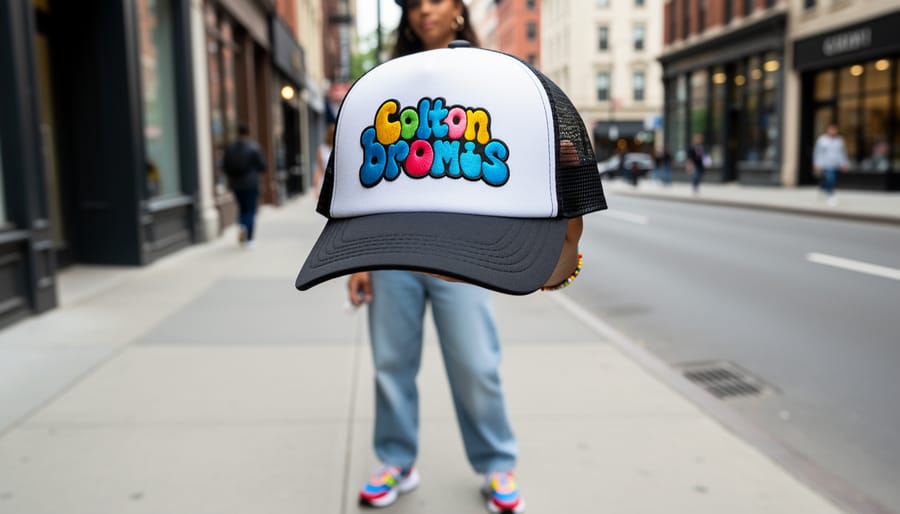
The Von Dutch trucker hat dominated celebrity street style and music videos throughout 2006, transforming a working-class staple into a coveted status symbol. These five-panel caps featured foam fronts emblazoned with the brand’s distinctive cursive logo, paired with mesh backs that offered ventilation and a distinctly casual aesthetic. The combination of bright colors, bold branding, and that characteristic high-profile crown made them instantly recognizable.
What set Von Dutch apart was the aggressive logo placement, this wasn’t subtle branding. The hats announced themselves with unapologetic confidence, embodying the era’s maximalist approach to accessories. Paired with low-rise jeans and graphic tees, they completed the quintessential mid-2000s casual uniform.
Today, wearing a Von Dutch trucker hat requires a clear approach: either lean into the irony with self-aware styling, or embrace genuine nostalgia for Y2K aesthetics. The key is context. Pair the hat with cleaner, more contemporary pieces, a fitted white tee, straight-leg denim, and minimal sneakers, to let it stand as the statement piece rather than competing with other bold elements. Think of it as punctuation, not the entire sentence.
Avoid recreating the full 2006 look head-to-toe. The trucker hat works best when it contrasts with modern proportions and refined basics. Keep your outfit simple, your fit intentional, and wear the hat with the same confidence that made it iconic two decades ago. The mesh back actually serves a practical purpose for warmer months, making this more than just a nostalgic accessory.
2. Popped Collar Polos, Preppy Rebellion
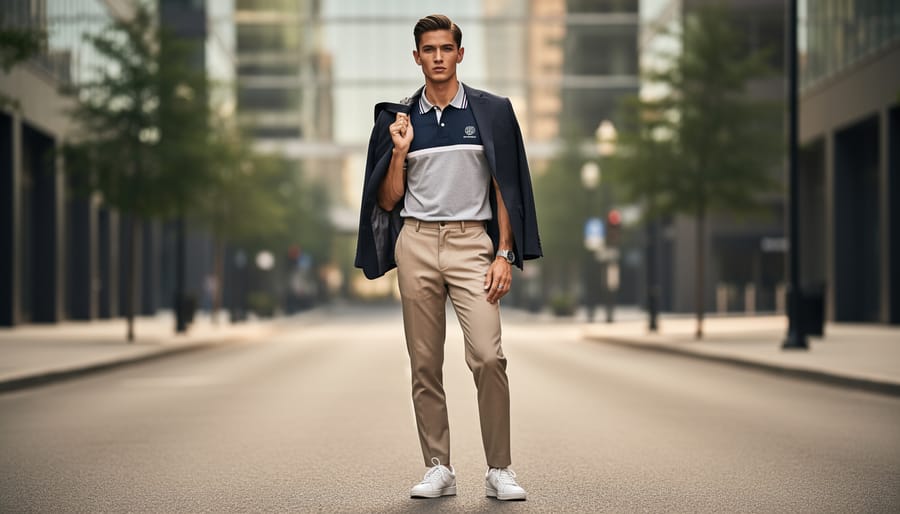
The popped collar polo defined mid-2000s casual confidence, straddling prep school tradition and rebellious nonchalance. What started as country club attire became a mainstream statement when layered under sweaters or worn solo with the collar flipped upward. The look projected effortless cool, whether you were heading to a campus party or weekend brunch.
Executing this trend today requires restraint. Skip the oversized fits that dominated 2006 and choose slim or athletic cuts that follow your shoulder line without clinging. Look for pique cotton with substantial weight; flimsy polyester blends read cheap and defeat the refined aesthetic you’re after. The collar should have enough structure to hold its shape when popped, but avoid overly stiff constructions that stick out awkwardly.
Pair your popped polo with straight-leg chinos or dark denim, not the baggy shorts that defined the original era. Keep the colour palette simple: navy, black, grey, or muted olive work better than neon brights for 2026 sensibilities. A clean white polo with the collar up, worn with tailored trousers and classic sneakers (even Converse still work here), balances nostalgia with contemporary polish.
The key difference between 2000s fraternity aesthetic and modern execution is intentionality. One popped collar piece per outfit, styled with confidence rather than irony, makes the statement without veering into costume territory.
3. Baggy Jeans and Shorts, The Relaxed Silhouette
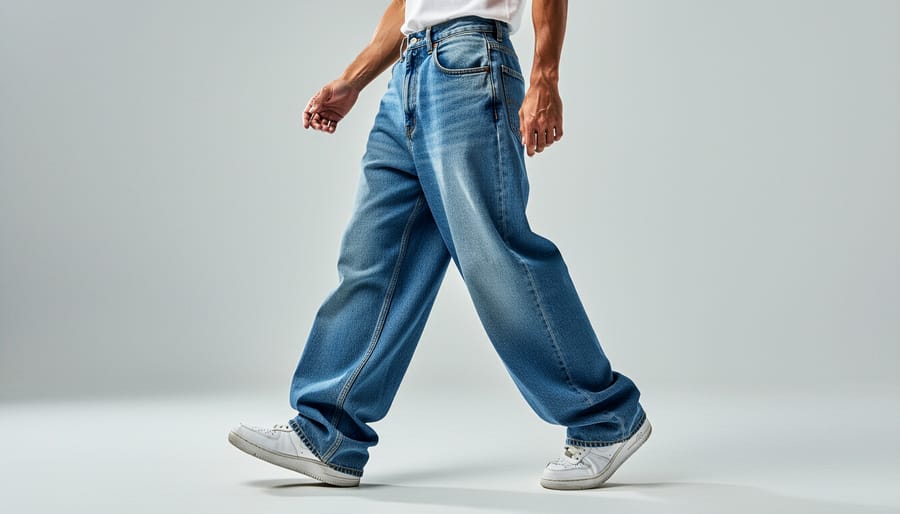
Baggy jeans defined 2000s menswear with a confidence that bordered on defiance. Skaters wore them pooling over Vans, hip-hop artists paired them with oversized jerseys, and suburban teens adopted the look as rebellion-lite. The silhouette rejected the body-conscious fits that came before, offering freedom of movement and an unmistakable attitude.
The key to pulling off baggy denim today lies in understanding proportion rather than replicating excess. Look for a mid-rise (sitting just below your natural waist) rather than the extremely low rises common in 2006. The leg should taper slightly from knee to hem instead of maintaining uniform width, this prevents the parachute effect that reads more costume than style. A 32-inch inseam works for most heights, allowing a subtle break at the shoe without fabric bunching around your ankles.
Styling oversized bottoms requires balance elsewhere. Pair baggy jeans with fitted or slim-cut tops, a tucked tee, a structured jacket, or even a close-fitting hoodie. This creates visual contrast that anchors the look. Avoid matching baggy shorts with oversized graphic tees unless you’re deliberately channeling early-2000s skate culture; even then, keep accessories minimal.
Modern brands offer “relaxed” and “wide-leg” fits that capture the 2000s vibe without the extreme proportions. Thrift stores remain your best source for authentic Levi’s Silver Tab or JNCO alternatives that defined the era. The goal isn’t historical reenactment, it’s borrowing the relaxed confidence while keeping your silhouette intentional.
4. Studded and Chain Belts, Edgy Accessories
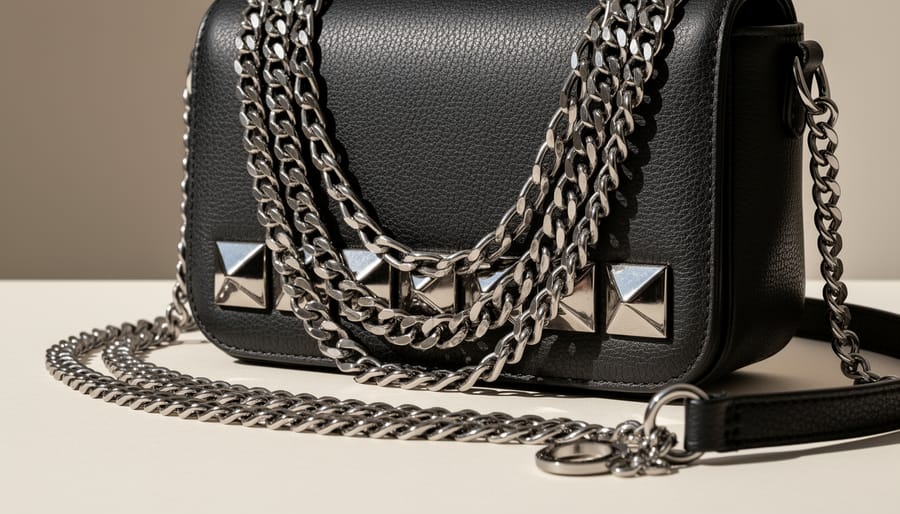
Studded and chain belts were the ultimate accessory for men who wanted to telegraph a rebellious edge in the mid-2000s. These weren’t subtle additions to an outfit. Thick leather belts adorned with pyramid studs, multiple rows of metal hardware, or dangling chains became staples of alternative, punk, and streetwear aesthetics. In 2006, studded belts appeared everywhere from Hot Topic to independent skate shops, often paired with baggy jeans slung low enough that the belt itself became the focal point.
The appeal was straightforward: instant attitude. A studded belt transformed an otherwise standard outfit into something that felt countercultural, whether you were actually part of any scene or just appreciated the look. Chain belts offered a different vibe, more industrial, sometimes martial, with heavy links that created visual and audible impact.
Today, incorporating these accessories requires restraint. The key is treating them as genuine style elements rather than costume pieces. Choose one statement belt and keep the rest of your outfit clean and modern. A single-row studded belt works better than the triple-stud behemoths of 2003. Black leather with silver hardware remains the most versatile option.
Pair a studded belt with slim or straight-leg black jeans and a plain tee, let the belt provide the edge without competing elements. Avoid matching it with other aggressive accessories like chunky chains or multiple wristbands. The goal is intentional accent, not full Y2K immersion. When you find an authentic vintage piece at a thrift store, check the leather quality and hardware security. Worn leather adds character; loose studs just look neglected.
5. Graphic Band Tees and Logo Tees, Statement Tops
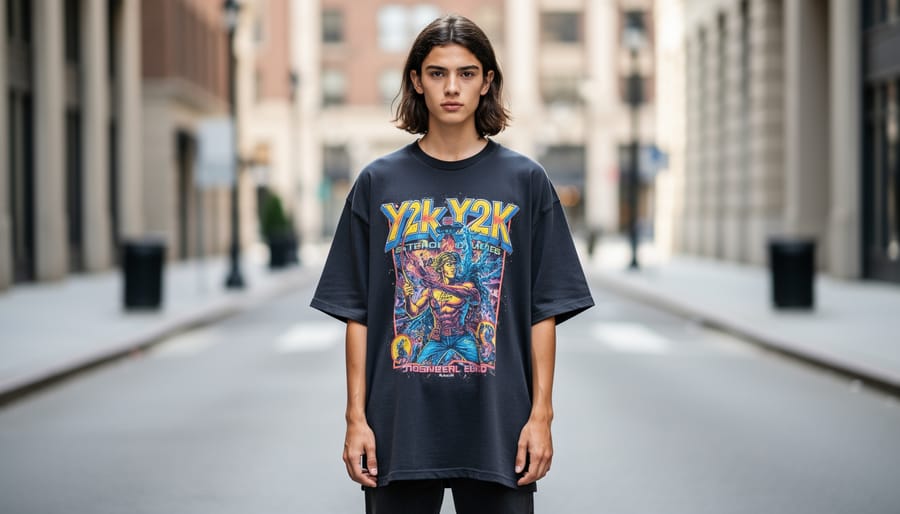
Graphic tees ruled 2000s menswear with unapologetic boldness. Band merchandise from System of a Down to The Strokes competed for space with oversized logo shirts from Ecko, FUBU, and Sean John. These weren’t subtle wardrobe accents, they were the outfit, often sized two or three times larger than modern fits, with hems grazing mid-thigh and sleeves swallowing biceps. The aesthetic celebrated statement-making over restraint, turning casual tees into cultural declarations.
Today’s approach requires more intention. Start with fit: authentic vintage band tees from the 2000s run large, so consider sizing down or having them tailored at the shoulders and sleeves while preserving the original length for authenticity. If you’re buying reproduction pieces, look for distressed prints and faded graphics rather than crisp, new-looking designs that read costume rather than curated. ThriftTale stocks authentic vintage brands with genuine Y2K character.
The key to elevating graphic tees beyond throwback territory is strategic layering. Wear a vintage logo tee under a structured blazer or denim jacket, letting just the graphic peek through. Tuck a band tee into well-fitted trousers with a leather belt, the contrast between casual top and tailored bottom creates deliberate style tension. Alternatively, layer a graphic tee over a fitted long-sleeve shirt in a complementary neutral, sleeve cuffs visible at the wrists.
One graphic tee per outfit is the rule. Let it carry the visual weight while everything else stays understated.
6. Velour Tracksuits, Athleisure Before Its Time
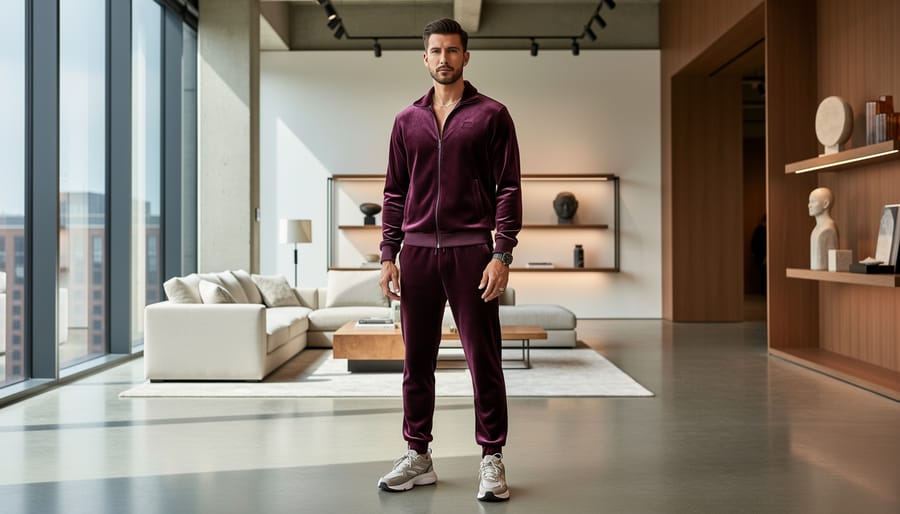
The velour tracksuit reached its cultural zenith in the early 2000s when brands like Juicy Couture and Sean John transformed loungewear into legitimate streetwear. These plush two-piece sets offered an unexpected combination: the comfort of sweats with the sheen and texture of luxury fabric. Men who wore them projected an effortless confidence that said “I’m comfortable enough to dress down, but wealthy enough that this tracksuit cost more than your jeans.” It was athleisure decades before the term existed, blending athletic silhouettes with aspirational branding.
Today’s approach requires separating the pieces rather than committing to the full matching set. A velour zip-up jacket layered over a white tee and dark denim creates visual interest without costume territory. Alternatively, pair velour track pants with a fitted crewneck sweater and clean sneakers for a refined take on casual comfort. The key is treating one piece as the statement element while keeping everything else understated.
When thrifting for authentic velour tracksuits, examine the fabric’s hand-feel closely. Quality pieces maintain a dense, plush pile without thinning or matting, even after years of wear. Check the zipper for smooth operation and metal teeth rather than plastic. Brand tags from Juicy Couture, Rocawear, or Sean John indicate authentic Y2K provenance. Avoid pieces with excessive pilling, faded logos, or stretched-out elastic cuffs, which signal the fabric has degraded beyond stylish wearability.
Balance comfort with sophistication by observing the one-third rule: if your tracksuit piece occupies one-third of your outfit’s visual real estate, the remaining two-thirds should lean polished. This might mean pairing velour pants with leather sneakers and a structured button-down, or wearing the jacket over tailored trousers. The approach mirrors power coat styling principles, where one bold piece anchors an otherwise refined ensemble.
7. Layered Accessories, Dog Tags, Wristbands, and More
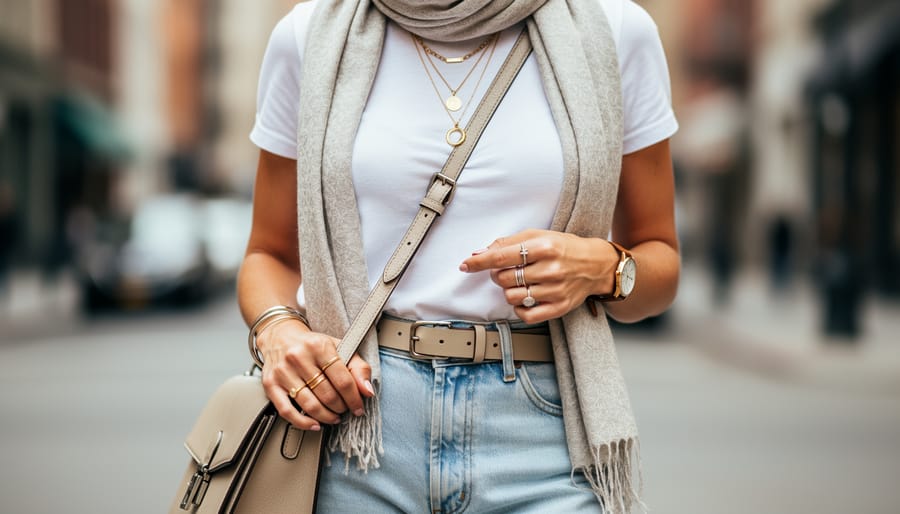
The 2000s accessory game wasn’t about restraint. Men stacked dog tag necklaces, wore multiple rubber wristbands up each forearm, and paired chunky digital watches with leather cuffs. The era embraced maximalist layering, where more was always more. Think multiple chain necklaces in varying lengths, silicone Livestrong-style bands in different colors, and oversized watches that doubled as statement pieces.
What made this trend work then was its youthful rebellion against minimalism. Dog tags borrowed military aesthetics without the gravitas, rubber wristbands signaled causes or simply added color, and watches like G-Shocks became fashion objects rather than just timekeepers. The result was an accessory stack that announced your presence before you spoke.
The 2026 approach requires significant editing. Instead of wearing four necklaces, choose one dog tag chain or a single pendant piece. Replace the armful of wristbands with one quality leather or metal bracelet. Let your watch be the focal point rather than part of a wrist stack that climbs to your elbow.
The key is intentionality. A single dog tag worn over a plain tee nods to Y2K without veering into costume territory. A vintage G-Shock paired with minimal jewelry channels early-2000s street style with modern restraint. The accessories that defined the era still work today, but confidence comes from selecting your favorite piece rather than wearing all of them simultaneously. One thoughtful accessory beats five competing for attention.
8. Structured Overcoats, The Power Coat Returns
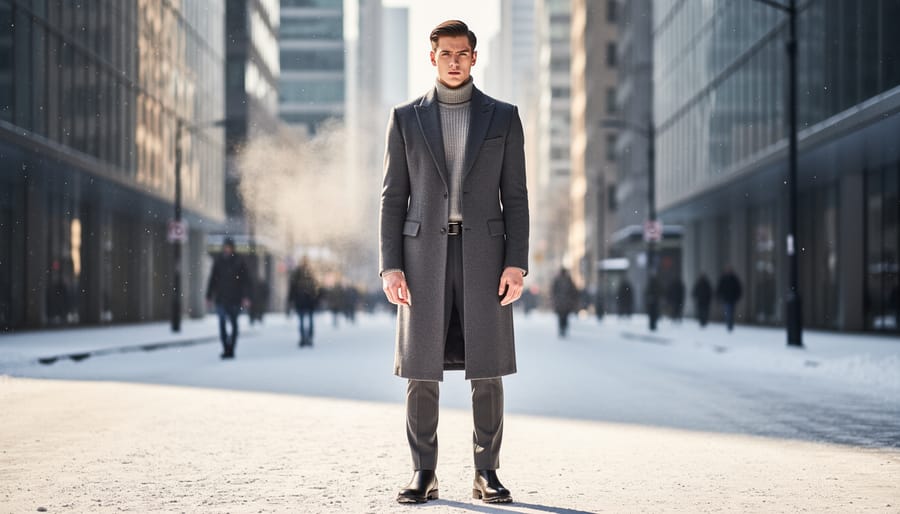
The structured overcoat dominated both the early 2000s and is now experiencing a powerful resurgence in 2026 menswear. This bridge between Y2K tailoring and contemporary winter style offers a sophisticated alternative to puffer jackets and technical outerwear, bringing back the sharp, intentional silhouettes that defined turn-of-the-millennium business casual and street style.
Power coats, as the 2026 trend reports describe them, combine the architectural construction of classic tailoring with modern fabric innovations. Brands like Gucci, JW Anderson, Burberry, and Loewe are reinterpreting structured overcoats with pinstripe motifs that echo Wall Street aesthetics and reinforced nylon variations that add durability without sacrificing the clean lines. These contemporary versions maintain the strong shoulders and defined waist that characterized 2000s tailoring while incorporating breathable, weather-resistant materials suitable for Canadian winters.
The key to wearing a structured overcoat in 2026 without looking like a time capsule is balancing proportions carefully. Pair these substantial coats with streamlined basics underneath rather than bulky layers, letting the coat’s architecture be the statement piece. Whether you source a vintage pinstripe wool coat or invest in a modern reinforced nylon version, the structured overcoat demonstrates how Y2K formality can master styling principles that remain relevant across decades, offering both nostalgic appeal and genuine winter functionality.
Where to Find Authentic 2000s Menswear Pieces
Finding authentic 2000s menswear requires knowing where to look and what to verify. Your sourcing strategy should balance vintage authenticity with modern accessibility, especially if you’re targeting specific pieces like structured overcoats or logo-heavy streetwear.
Start with local thrift stores, which currently stock solid selections of overcoats straight from the ’80s and early 2000s, particularly useful if you’re pursuing the power coat trend that brands like Gucci, JW Anderson, Burberry, and Loewe are reinterpreting with pinstripe motifs and reinforced nylon in 2026. Check labels for construction quality: authentic vintage pieces feature sturdier stitching, natural fibers, and weight you can feel.
For Y2K-specific streetwear, consider these sourcing options:
- Local thrift stores for overcoats, denim, and unexpected finds
- Specialty vintage retailers like ThriftTale for authentic Y2K streetwear brands
- Online vintage marketplaces for targeted searches by era and style
- Contemporary brands offering modern reinterpretations of 2000s silhouettes
When verifying authenticity, examine tags for era-appropriate branding, fabric content (reproductions often use cheaper blends), and manufacturing locations that align with 2000s production. Genuine vintage Von Dutch pieces, for example, show specific logo placements and tag styles distinct from recent reproductions. Feel the fabric weight and inspect seam construction, authentic pieces from quality 2000s brands used better materials than most modern replicas. If a “vintage” graphic tee has a suspiciously soft hand or digitally-printed design, it’s likely a contemporary reproduction marketed as authentic.
Common Questions About 2000s Men’s Fashion
How do I avoid looking costumey when wearing 2000s trends?
Limit yourself to one or two Y2K pieces per outfit and pair them with contemporary basics. A Von Dutch trucker hat works with a clean modern fit, but wearing it with baggy jeans, a graphic tee, and studded belt crosses into costume territory.
What’s the difference between authentic vintage and reproduction pieces?
Authentic vintage shows natural wear patterns, has period-accurate construction details, and features original labels from 2000s-era production. Reproduction pieces are newly manufactured to mimic the aesthetic but lack the fabric hand, stitching quality, and patina that develop over two decades.
Can these trends work for professional settings?
Most Y2K trends are firmly casual, but structured overcoats translate well to business environments. A tailored coat with subtle pinstripe motifs bridges the gap between nostalgia and workplace appropriateness, while trucker hats and velour tracksuits remain strictly weekend territory.
How many 2000s pieces should I incorporate at once?
Start with a single statement piece and build from there. One graphic band tee or a pair of slightly baggier jeans introduces the aesthetic without overwhelming your existing wardrobe, letting you gauge comfort level before adding accessories or layering multiple era-specific elements.
The key to successfully wearing 2000s fashion in 2026 is treating these pieces as intentional style choices rather than full-outfit commitments. Quality matters more than quantity when sourcing vintage items. Authentic pieces from thrift stores often offer better construction than fast-fashion reproductions, with details like reinforced stitching and heavier fabrics that justify the hunt. When you’re uncertain whether a piece works, ask if it serves your outfit or dominates it.
The beauty of revisiting 2000s menswear lies not in recreating the era wholesale, but in cherry-picking pieces that speak to your current style sensibility. Start with one element, a graphic tee you genuinely connect with, a structured overcoat that elevates your winter wardrobe, or even a single accessory worn with conviction. The goal is personal expression, not period costume.
What makes these trends compelling in 2026 is their flexibility. A Von Dutch hat can anchor a deliberately retro streetwear look or add unexpected edge to otherwise minimal outfits. Baggy jeans work equally well with technical sneakers or leather boots. The key is balancing nostalgia with intentionality, mixing Y2K pieces into your existing rotation rather than building a dedicated throwback uniform.
Confidence transforms these bold choices from questionable revival to genuine style statement. The men who wore these trends originally did so without overthinking, that same ease matters now. Trust your instincts, ignore rigid rules about “doing it right,” and recognize that fashion’s best moments happen when past inspiration meets present perspective. These trends represent both homage and evolution, proof that looking back can push your wardrobe forward.