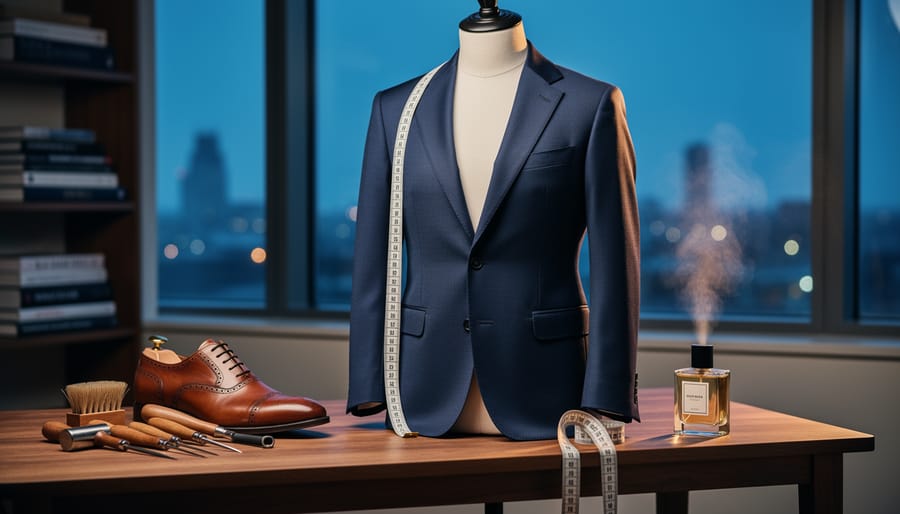
The coolest jobs in menswear right now blend creative expression, industry access, and the freedom to shape how men present themselves to the world. From launching your own label as a menswear brand founder to mastering bespoke tailoring, styling celebrities, or developing signature fragrances, these twelve careers offer more than just a paycheck. They provide front-row seats to fashion weeks, collaborations with craftsmen perfecting centuries-old techniques, and the satisfaction of seeing your creative vision become someone’s daily uniform.
What makes a menswear career truly cool in 2026? It’s the intersection of three factors: creative autonomy, cultural influence, and tangible craftsmanship. The best roles in this space let you work with premium materials, set trends rather than follow them, and build a professional identity that aligns with your personal aesthetic. Whether you’re photographing lookbooks in Florence, selecting next season’s buys for a flagship store, or engineering the perfect Derby shoe, these positions offer daily engagement with the details that transform clothing into style.
The careers featured here span different entry points and skill sets. Some require formal training in design or photography, others demand years apprenticing under master craftsmen, and a few simply need a sharp eye and the discipline to build an audience from scratch. What they share is the opportunity to turn an obsession with fit, fabric, and finish into professional expertise. These aren’t vanity roles or pipe dreams. They’re real positions held by professionals who’ve found ways to merge passion with practicality, often building impressive careers that blur the line between work and the lifestyle they’d choose anyway.
What Makes a Job in Menswear ‘Cool’
Not every job that involves clothes qualifies as truly cool. The roles on this list were selected based on six core criteria that separate genuine career satisfaction from merely punching a clock in the fashion industry.
Creative freedom ranks first. These jobs let you shape aesthetic decisions rather than execute someone else’s vision, whether you’re designing a collection, styling a shoot, or building a brand from scratch. You’re creating something that reflects your point of view, not just fulfilling corporate mandates.
Industry influence matters equally. The coolest roles give you access to insider circles, front-row seats at shows, early looks at collections, relationships with designers and tastemakers. You’re not watching the conversation about men’s style from the outside; you’re actively participating in it and occasionally steering it.
Style expression separates these careers from generic fashion jobs. In these roles, your personal aesthetic isn’t something you hide during business hours. It’s part of your professional credibility. Men trust your taste because they see it reflected in everything from casual fashion trends you champion to the finished products you create.
Earning potential can’t be ignored. Cool doesn’t mean starving artist. These positions offer genuine financial upside through salaries, commissions, brand deals, or entrepreneurial success. You can afford the style you’re selling.
Lifestyle flexibility increasingly defines modern cool. Many of these careers offer control over your schedule, remote options, or the variety that comes from project-based work. You’re building a life, not just logging office hours.
Finally, cultural impact elevates a job from good to genuinely cool. These roles let you contribute to how men think about dressing, grooming, and presenting themselves. You’re not just making a living, you’re shaping masculine identity through style.
1. Menswear Designer at a Premium or Emerging Brand
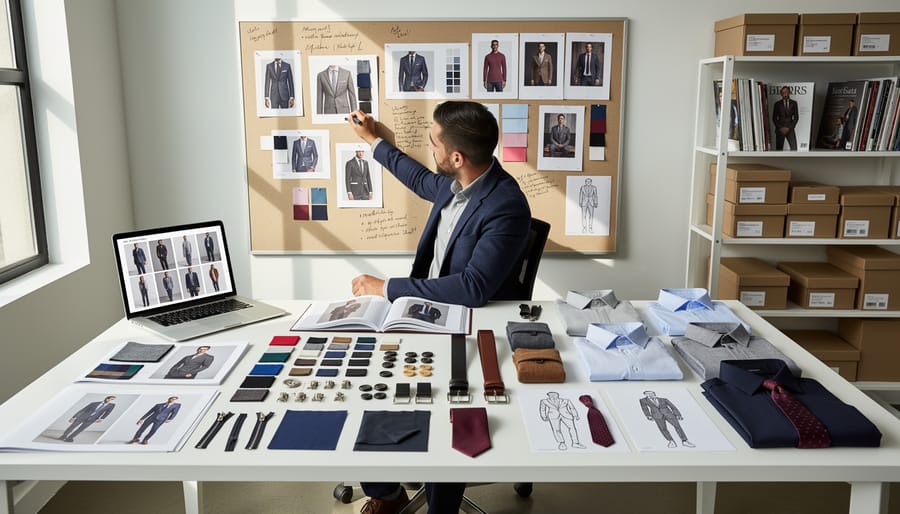
Designing menswear for a premium or emerging brand puts you at the creative heart of the fashion industry. You’re not just sketching clothes, you’re defining how men will dress, shaping the silhouettes, fabrics, and details that become part of their daily identity. At established houses like Loro Piana or Brunello Cucinelli, you work within a legacy of craftsmanship while introducing contemporary updates that keep the brand relevant. At emerging labels, you have more experimental freedom to push boundaries and create the next wave of men’s style.
The creative process blends technical skill with trend intuition. You spend time researching fabrics, developing mood boards, and translating cultural movements into wearable pieces. Collaboration is constant, working with pattern makers, sample technicians, and production teams to ensure your vision translates from sketch to finished garment. The industry connections you build are invaluable: relationships with fabric mills in Italy, manufacturing partners in Portugal, and retailers who champion your work.
What makes this role genuinely cool is the tangible impact. Walking through a city and seeing men wearing pieces you designed, scrolling social media and spotting your jacket styled by someone who truly gets it, that validation never gets old. The combination of creative expression, technical mastery, and cultural influence makes menswear design one of the most fulfilling paths in fashion.
2. Men’s Style Editor or Fashion Director
A men’s style editor or fashion director sits at the intersection of storytelling and trendsetting, wielding significant influence over what men wear and how they think about style. This role goes far beyond writing articles, you’re curating visual narratives, directing photo shoots, and often deciding which designers get coverage and which trends gain momentum.
The job offers unparalleled access. You’re front row at fashion weeks, visiting ateliers before collections launch, and building relationships with designers, PRs, and industry insiders who shape menswear’s direction. One day you’re styling a cover shoot with a notable actor, the next you’re profiling emerging brands or analyzing why certain James Bond style brands maintain cultural relevance across decades.
What makes this cool is the creative authority. You’re not just reporting on fashion, you’re actively shaping the conversation around masculinity, style evolution, and cultural aesthetics. Your editorial decisions influence buying patterns and can elevate unknown labels to must-have status. Whether you’re at GQ, Esquire, or a digital menswear platform, you’re creating content that defines how men see themselves and express identity through clothing. The role demands sharp visual taste, strong writing skills, and an instinct for what resonates with male audiences before they know they want it.
3. Personal Stylist for High-Profile Clients
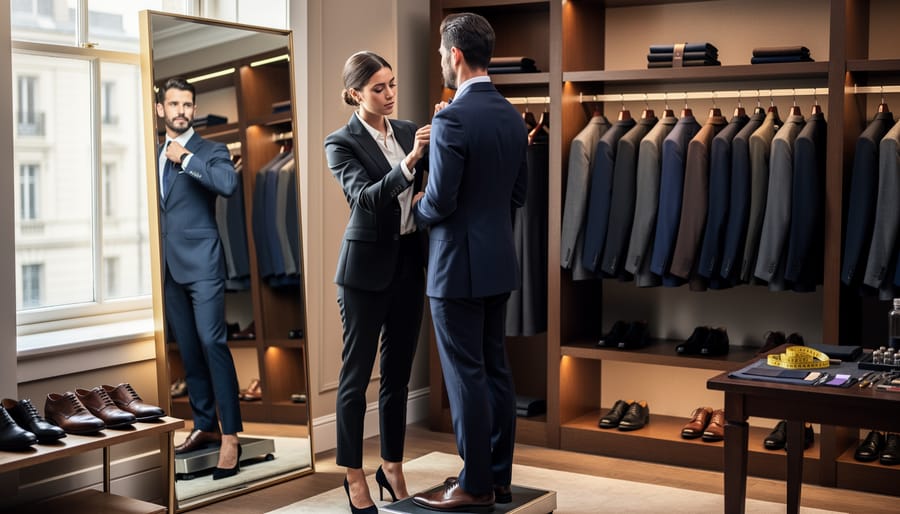
Working as a personal stylist for high-profile clients puts you in the inner circle of influential men, executives, entertainers, and athletes who rely on your expertise to project the right image at critical moments. You’re not just selecting outfits; you’re shaping how these men present themselves to the world, which makes the role equal parts fashion curator, confidant, and image strategist.
The appeal starts with access. You attend exclusive events, preview collections before they hit stores, and build direct relationships with luxury brands that prioritize your requests. One day you’re sourcing custom pieces for a film premiere, the next you’re coordinating a two-week wardrobe for a client’s international press tour. Travel becomes routine rather than occasional, Milan for Fashion Week, Los Angeles for awards season, wherever your clients need you.
What makes this role particularly rewarding is the personal nature of the work. Unlike editorial styling where you execute a creative vision for publication, personal styling is about understanding individual lifestyle, preferences, and comfort levels. You learn a client’s schedule, body language, and confidence triggers. When an athlete feels powerful in the suit you selected for his championship press conference, or an executive credits his wardrobe refresh with renewed professional confidence, that’s validation money can’t buy.
The financial potential matches the exclusivity. Established personal stylists working with A-list clients command retainers of $5,000 to $15,000 monthly, plus project fees for major events. Some transition into creative directing for their clients’ brands or launch their own lines.
4. Menswear Brand Founder or Creative Director
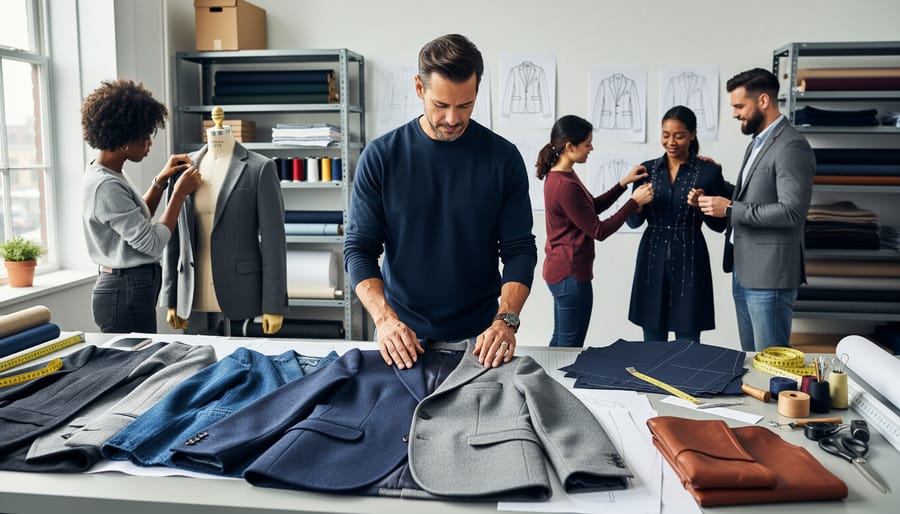
Launching your own menswear brand represents the ultimate expression of creative control in fashion. As a founder or creative director, you’re not just designing clothes, you’re building an entire universe around how men should dress, from the cut of a jacket to the story behind every collection.
This path demands more than design talent. You’ll need business acumen, marketing instincts, and the resilience to navigate manufacturing challenges, retail partnerships, and direct-to-consumer sales. The risk is real: most independent brands struggle in their first three years. Yet the reward is unmatched autonomy over your vision.
Successful brand founders often start with a clear point of view, whether that’s reviving heritage tailoring techniques, creating technical outerwear for urban environments, or reimagining classics like green Converse with elevated materials and construction. The key is identifying a gap in the market that aligns with your aesthetic and values.
You’ll control every detail: fabric selection, fit specifications, photography direction, packaging design, even how pieces are folded in the box. This holistic approach lets you create a brand that truly reflects your identity rather than compromising for commercial committees.
The lifestyle offers flexibility but demands constant hustle. You’re simultaneously designer, CEO, and often the face of the brand, a challenge that’s both exhausting and exhilarating for men who want their work to be an extension of themselves.
5. Luxury Menswear Buyer for High-End Retailers
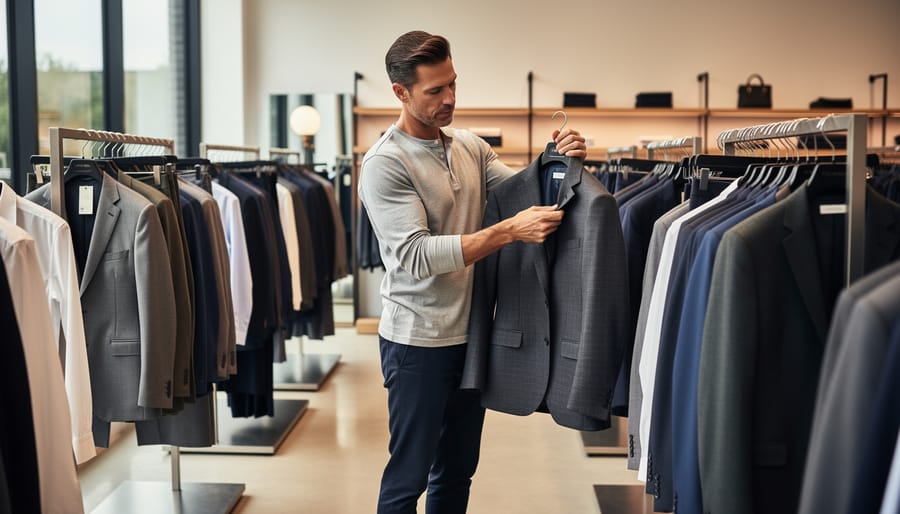
A luxury menswear buyer sits at the intersection of commerce and creativity, wielding significant influence over what reaches the racks of prestigious retailers like Mr Porter, Bergdorf Goodman, or Harrods. This isn’t catalog ordering, it’s strategic curation backed by serious commercial instincts.
You’ll spend your seasons traveling between fashion capitals, attending exclusive runway shows and showroom appointments months before collections hit the sales floor. The access alone sets this role apart: you’re among the first to see designer collections, negotiate with brands’ commercial teams, and often build direct relationships with creative directors themselves. Those connections frequently extend beyond business into genuine friendships within the industry.
The intellectual challenge is considerable. You’re essentially predicting what affluent men will desire six months out, balancing trend forecasting with your store’s established customer base and brand positioning. A single buying decision can represent hundreds of thousands in inventory, making your commercial judgment invaluable. Strong buyers develop an almost intuitive sense for emerging designers who’ll become next season’s must-stocks.
The earning potential scales with the retail platform, with senior buyers at major luxury retailers commanding six-figure salaries plus performance bonuses. You’ll also enjoy substantial employee discounts and first access to limited releases, perks that matter when you’re living and breathing menswear daily. The role demands analytical thinking wrapped in impeccable personal style.
6. Men’s Fashion Photographer or Creative Director
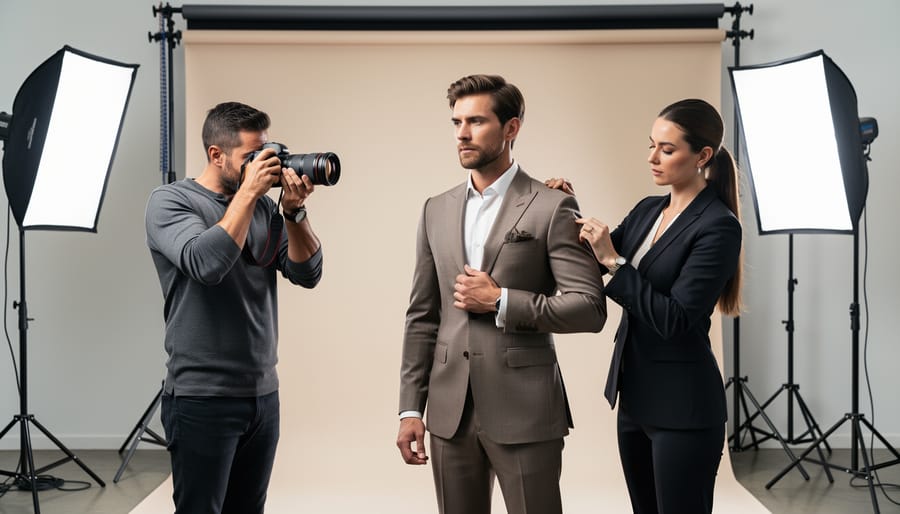
A men’s fashion photographer or creative director shapes how the world sees style, not through fabric and thread, but through imagery that stops people mid-scroll. This role puts you behind the camera or at the helm of campaigns that define how menswear looks in magazines, on billboards, and across Instagram feeds.
As a photographer, you control lighting, composition, and mood to capture garments in ways that transcend product shots. You’re translating a designer’s vision into visual language, whether that’s a moody black-and-white editorial for GQ or a sun-drenched campaign for a resort wear brand. The technical skill matters, but so does your eye for what makes an image feel current and compelling.
Creative directors orchestrate the entire visual narrative. You’re hiring photographers, casting models, scouting locations, and ensuring every element, from styling to post-production, aligns with the brand’s identity. It’s strategic thinking meets artistic vision, often working months ahead of publication to create campaigns that will feel fresh when they launch.
The lifestyle perks are considerable. You travel for location shoots, work with high-profile clients and models, and see your work displayed globally. The industry runs on relationships and reputation, so your network becomes as valuable as your portfolio. Freelancing offers flexibility, while staff positions at fashion houses or publications provide stability. Either way, you’re creating the images that inspire men to reconsider what they wear and how they present themselves.
7. Bespoke Tailor or Master Craftsman
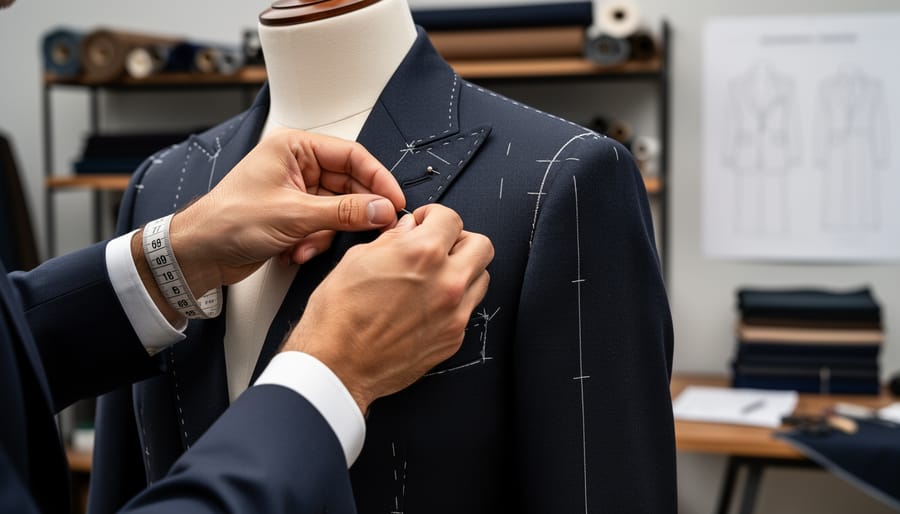
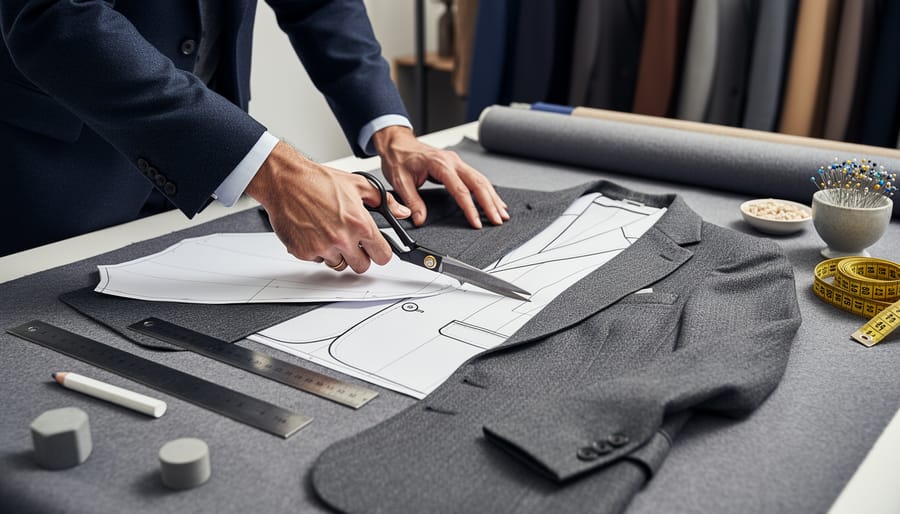
In an era of fast fashion and algorithm-driven recommendations, bespoke tailoring represents the opposite extreme: garments built entirely around one client, measured to the millimeter, constructed by hand. A master tailor doesn’t just sew. He interprets posture, understands fabric behavior, and makes decisions about shoulder pitch or trouser break that affect how a man carries himself. The craft takes years to learn, pattern cutting, hand-stitching, canvas work, fitting adjustments, and clients pay premium prices because they know the difference between a suit that fits and one that belongs to them.
The work is deeply personal. You’re not styling for men’s style accounts or chasing seasonal trends. You’re building relationships with individual customers who return for decades, who trust you with their most important occasions. That creates stability and satisfaction that e-commerce brands can’t replicate.
Younger tailors are reviving the craft, often blending traditional methods with contemporary cuts. They’re finding clients who’ve worn off-the-rack their entire lives and finally want something made for them. The work demands patience and precision, but it offers creative control, direct client impact, and the pride of producing something genuinely lasting in a disposable culture.
8. Menswear Content Creator or Influencer
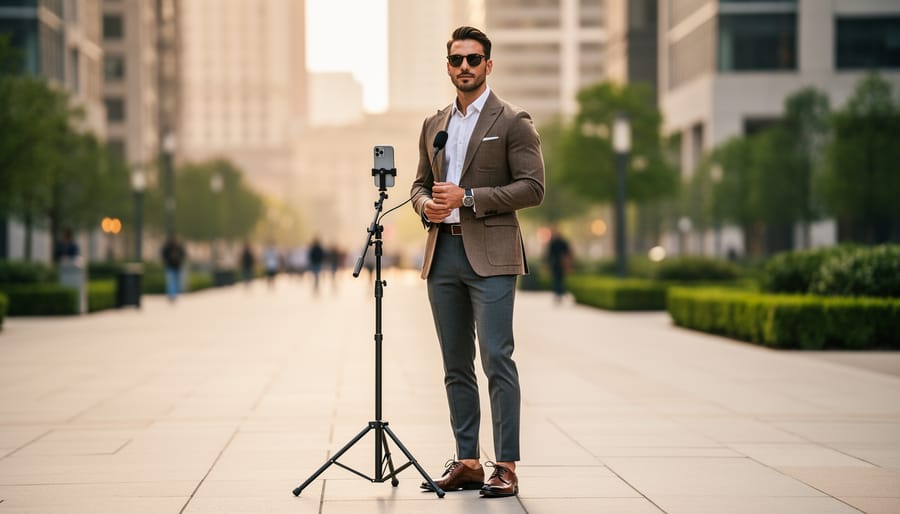
Building a career as a menswear content creator represents perhaps the most accessible entry point into fashion careers today, requiring minimal capital beyond a smartphone and genuine style perspective. The path has matured significantly beyond simply posting outfit photos, successful creators now operate as independent media businesses, combining styling expertise with videography, copywriting, and audience psychology.
The monetization ecosystem has grown sophisticated. Direct brand partnerships for a creator with 50,000 engaged followers typically command $1,500 to $5,000 per post, depending on platform and deliverables. YouTube ad revenue, affiliate commissions from retailers, and platform-specific programs like TikTok’s Creator Fund provide diversified income streams. Many established creators earn six figures annually while maintaining complete creative control over their content and schedule.
What separates sustainable careers from fleeting attention is authentic expertise combined with consistent production discipline. The most successful menswear creators specialize, whether in affordable styling, vintage hunting, tailoring education, or sneaker culture, rather than attempting to cover everything. They understand their audience deeply, responding to comments, tracking analytics, and evolving content based on what genuinely helps their community dress better.
The entrepreneurial reality demands skills beyond fashion knowledge: video editing, SEO optimization, contract negotiation with brands, and managing the psychological pressure of public visibility. Yet for men who thrive on creative independence and enjoy teaching style principles to others, few careers offer comparable freedom to build income around personal taste and lifestyle preferences.
9. Brand Marketing or Creative Strategist for Menswear Labels
Behind every successful menswear brand is a strategic mind shaping how men discover, perceive, and ultimately buy into a lifestyle. Brand marketing and creative strategy roles sit at the intersection of cultural insight, business acumen, and aesthetic vision, making them some of the most intellectually stimulating positions in fashion.
As a brand strategist for menswear labels, you’re not just selling clothes; you’re crafting narratives that resonate with how modern men see themselves. You might develop a campaign positioning a heritage brand for younger consumers, create content strategies that build community around a direct-to-consumer label, or orchestrate collaborations that generate genuine cultural buzz. The role requires understanding male psychology, spotting emerging lifestyle trends before they peak, and translating abstract brand values into campaigns that feel authentic rather than forced.
The work is deeply creative yet commercially grounded. You collaborate with designers, photographers, and media teams while analyzing consumer data and market positioning. You decide which influencers genuinely align with the brand, how to speak to men without condescension, and which cultural moments deserve a response versus which should be ignored.
What makes this role particularly appealing is the breadth of influence without the pressure of physical creation. You shape perception and drive business results through strategic thinking, making it ideal for those who love menswear but prefer conceptual work over hands-on design or styling.
10. Watch Designer or Specialist for Luxury Timepiece Brands
Few accessories communicate masculine elegance and technical appreciation quite like a well-crafted watch. Working as a watch designer or specialist for luxury timepiece brands sits at a unique intersection: you need both horological knowledge and an instinct for what sophisticated men want on their wrists.
Watch designers create the aesthetic language of timepieces, from case proportions and dial layouts to material selections and complications. You might spend months perfecting the curve of a case or the balance of a chronograph dial. The technical constraints, movement size, water resistance requirements, wearability, force creativity rather than limit it. Leading houses like Rolex, Patek Philippe, and independent ateliers employ designers who understand both mechanical engineering and contemporary style codes.
Specialists and product developers work on the curation and market-facing side, identifying which watches will resonate with collectors and daily wearers alike. This role requires staying ahead of trends in men’s fashion, understanding the psychology of luxury purchases, and often traveling to Swiss workshops, trade shows, and exclusive preview events.
The prestige factor is undeniable. You’re creating objects men keep for decades and pass down as heirlooms. The community of watch enthusiasts is passionate, knowledgeable, and global. Compensation ranges widely based on the brand’s tier, but senior designers and product directors at luxury houses command six-figure salaries plus the enviable perk of building exceptional personal collections at industry accommodation.
11. Footwear Designer Specializing in Men’s Shoes
Men’s footwear design represents one of the most technically demanding yet creatively rewarding careers in menswear. Footwear designers bridge the gap between fashion and function, creating shoes that men rely on daily, from performance sneakers to handcrafted dress shoes that complete a tailored look.
The role demands fluency in styling design principles while mastering the engineering challenges of comfort, durability, and wearability. You’ll prototype designs, select materials, and collaborate with factories to ensure each pair meets both aesthetic and functional standards. Whether you’re designing limited-edition collaborations for sneaker culture enthusiasts or refining the silhouette of a classic Oxford, your work directly influences how men present themselves.
The cultural impact is undeniable. Sneakers have evolved into status symbols and collectibles, while classic leather shoes remain essential to professional wardrobes. Footwear designers help men build a wardrobe from the ground up, literally. You’ll need skills in sketching, CAD software, and material science, plus an understanding of foot anatomy and gait mechanics.
Major brands, heritage shoemakers, and emerging direct-to-consumer labels all hire footwear specialists. The satisfaction comes from seeing your designs become part of men’s daily routines, shaping their confidence with every step they take.
12. Men’s Grooming or Fragrance Product Developer
Creating products that men use every morning, shaving cream, cologne, face wash, pomade, puts you at the intersection of chemistry, marketing, and masculine identity. Men’s grooming product developers work for established brands or indie startups, formulating and positioning personal care items that resonate with guys who care about what they put on their skin.
The role splits into two tracks. Formulation specialists focus on the science: testing ingredients, ensuring stability, meeting safety standards, and engineering textures and scents that perform while feeling premium. Brand-side developers handle positioning, packaging, and storytelling, deciding whether a fragrance should feel rugged or refined, how a skincare line should speak to men who’ve never used serum before.
The market has exploded as grooming becomes non-negotiable for style-conscious men. Brands need people who understand both efficacy and aspiration, who can create a beard oil that actually conditions while making the guy feel like he’s elevated his routine. You’re not just mixing compounds; you’re shaping daily rituals.
Entry typically requires chemistry, cosmetic science, or marketing backgrounds. Product development roles exist at major beauty conglomerates, niche fragrance houses, and direct-to-consumer startups. Compensation ranges from comfortable salaries at established companies to equity stakes at emerging brands. The satisfaction comes from seeing your creation on shelves, or better, in a friend’s bathroom, knowing you’ve made something men genuinely want to use.
Breaking Into Menswear: Paths and Practical Advice
Breaking into menswear isn’t about following one prescribed path, it’s about combining formal learning with hands-on experience and relentless networking. The most successful industry professionals didn’t wait for permission; they immersed themselves in the culture while building tangible skills.
Formal education matters, but it’s not always essential. Fashion design programs at schools like Parsons or Central Saint Martins provide technical skills and industry connections, while business degrees from reputable universities work well for brand strategy or buying roles. That said, many successful menswear professionals built their careers through apprenticeships, online courses, and self-directed learning. What matters more than your degree is your ability to demonstrate genuine expertise and a point of view.
Your portfolio is your calling card. For designers, this means sketches, technical drawings, and finished pieces that showcase your aesthetic. Content creators need a consistent body of work that proves they can engage an audience. Stylists should document their work through lookbooks and client testimonials. Photographers require a portfolio that demonstrates lighting mastery and visual storytelling. Even buyers and marketers benefit from case studies that show how they’ve identified trends or moved product.
Consider these practical steps to build your menswear career:
- Start documenting your style perspective through social media or a blog to build an authentic presence
- Attend industry events, trunk shows, and fashion weeks to meet professionals and absorb the culture
- Seek internships or entry-level positions at brands, retailers, or publications, even if unpaid initially
- Study menswear history and current designers to develop informed opinions and references
- Connect with professionals through LinkedIn and thoughtful, specific outreach that shows you’ve done your homework
Networking in menswear is about building genuine relationships, not collecting contacts. Comment thoughtfully on industry leaders’ work, attend local menswear meetups, and contribute value before asking for favours. The menswear community rewards people who show up consistently with knowledge and enthusiasm. Your first role might not be glamorous, assistant positions and retail floor work teach you customer psychology and product knowledge that prove invaluable later. Patience and persistence separate those who make it from those who drift away.
How We Chose This List
We built this list by evaluating careers against six core factors that define what makes a job genuinely cool in menswear. Creative freedom ranked highest, roles where you shape aesthetics and influence style decisions rather than simply execute someone else’s vision. Industry influence mattered: positions that let you move the needle on trends, collaborate with respected names, or build a reputation that opens doors.
We prioritized roles offering authentic style expression, where your personal taste becomes part of your professional value. Earning potential had to support the lifestyle these jobs promise, not trap you in perpetual hustle for minimal return. Flexibility counted, whether that’s travel, varied projects, or control over your schedule. Cultural impact sealed it: jobs that contribute to how men think about style, not just sell them products.
We focused on accessible yet aspirational roles. Each career here has clear entry points if you’re willing to build skills and network strategically. We skipped pure retail positions and generic marketing roles, concentrating instead on jobs where menswear sits at the center of what you do daily.
Your career should be more than a path to financial security, it should be an extension of who you are. The coolest jobs in menswear offer that rare alignment between passion and profession, where your daily work reinforces your identity rather than compromising it. When you spend your days immersed in design, style, craftsmanship, or visual storytelling, your job becomes a form of self-expression, not just a means to afford the life you want to live outside office hours.
The menswear landscape in 2026 rewards authenticity and expertise. Whether you’re drawn to the tactile satisfaction of tailoring, the influence of editorial work, or the entrepreneurial challenge of building a brand, these careers offer something corporate roles rarely provide: the chance to shape culture while staying true to your aesthetic vision. Success isn’t just measured in salary or title, but in the work you’re proud to attach your name to and the community you build around shared style values.
Consider what excites you most about menswear, the creative process, the client relationships, the strategic thinking, the craft, and pursue that thread with commitment. Your career can be both personally fulfilling and professionally successful when it aligns with your genuine interests rather than someone else’s definition of achievement.
Frequently Asked Questions
Do I need a fashion degree to work in menswear?
Not necessarily. While formal education helps for design roles, many successful menswear professionals come from marketing, journalism, or entrepreneurial backgrounds. Practical experience, a strong portfolio, and genuine industry knowledge often matter more than credentials, especially for content creation, buying, or styling positions.
What’s the realistic salary range for menswear careers?
Entry-level positions typically start between $35,000 and $50,000, while mid-career professionals earn $60,000 to $100,000. Senior creative directors, successful brand founders, and top-tier stylists can command $150,000 to well over $300,000, though these positions require years of building reputation and expertise.
Can I transition into menswear from an unrelated career?
Absolutely, and it happens regularly. Start by building side projects that demonstrate your perspective, a style blog, consulting work for friends, or freelance photography. Your existing skills in business, communication, or technology often translate directly into brand strategy, marketing, or e-commerce roles within menswear companies.
Is work-life balance possible in fashion careers?
It varies significantly by role and company. Content creators and bespoke tailors often enjoy flexible schedules, while roles at major brands can involve travel, tight deadlines, and seasonal intensity during fashion weeks. Entrepreneurial paths offer control over your time but require substantial initial investment of hours to establish yourself.
Which menswear jobs offer the most creative freedom?
Brand founders and creative directors have the most autonomy, followed by content creators who build their own platforms. Freelance stylists, photographers, and tailors also enjoy significant creative control, though they balance that with client preferences and market demands.
These questions reflect what most men genuinely want to know before committing to a menswear career path. The financial reality matters, particularly for those with existing responsibilities, and understanding the flexibility different roles offer helps you choose a direction that fits your lifestyle goals, not just your style aspirations.