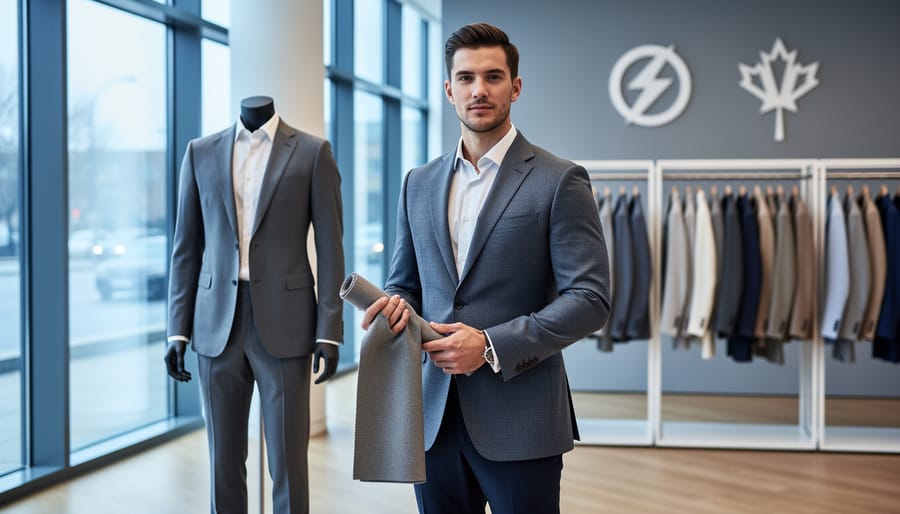
The Canadian menswear industry is quietly thriving, with over 11,000 clothing retail positions and more than 3,100 fashion openings nationwide as of 2026. If you’re searching for menswear jobs in your area, you’re tapping into a sector that spans far beyond folding shirts at the mall. The field offers creative design roles (51 menswear design positions currently open), technical merchandising careers, brand management opportunities, and specialized styling work that lets you shape how men dress across the country.
What makes a menswear job “cool” goes beyond the surface appeal of working with clothes. The most compelling positions let you influence culture, whether you’re curating collections for a heritage brand, developing technical fabrics that perform in Canadian winters, or building digital shopping experiences that reach thousands. These roles combine aesthetic sensibility with genuine problem-solving, from fit engineering to visual merchandising that tells a story.
The local component matters more than you might think. Major employers like Old Navy, ALDO Group, and Laura Canada maintain physical and digital operations across provinces, creating opportunities in both urban fashion hubs and regional markets. Smaller independent retailers and emerging direct-to-consumer brands often seek talent who understand their specific communities and customer bases.
This guide walks you through seven distinct career paths in menswear, each offering different entry points and growth trajectories. You’ll learn what these roles actually entail, how to position yourself for them, and what makes them particularly rewarding in 2026’s evolving retail landscape. Whether you’re pivoting from another industry or climbing within fashion, understanding the full scope of available positions helps you target the right opportunities near you.
Why Pursue a Career in Menswear
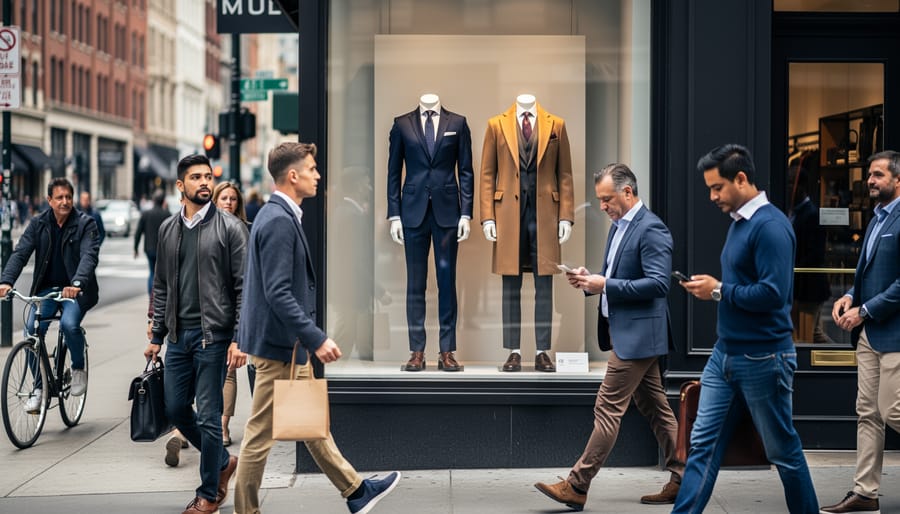
The menswear industry offers something most careers can’t: the chance to shape how men present themselves to the world while building a genuinely rewarding professional path. Unlike fast fashion or mass-market retail, menswear careers let you directly impact someone’s confidence, dating success, and professional advancement. When you help a guy find the perfect suit for his first big interview or teach him how clothes should actually fit, you’re not just selling products, you’re changing how he sees himself.
The financial picture is equally compelling. With over 3,000 fashion job openings across Canada and significant growth in the men’s style sector, opportunities span from entry-level retail positions to specialized design roles. Menswear designers, buyers, and marketing specialists often command competitive salaries while working in an industry that values both creative vision and business acumen. The field rewards expertise: as you develop your eye for fit, fabric, and what works for different body types, your earning potential grows alongside your reputation.
What sets menswear apart from broader fashion is its unique combination of advantages:
- Direct creative expression through styling, design, or merchandising decisions that shape men’s style culture
- Stronger client relationships, as men typically value ongoing guidance over trend-chasing impulse buys
- Less seasonal volatility compared to womenswear, with menswear focused on timeless essentials and quality
- Growing market momentum as men increasingly invest in appearance and grooming
- Networking within tight-knit communities of stylists, designers, and industry professionals who support each other
The satisfaction factor runs deeper than most realize. You’re not just moving inventory, you’re educating men who genuinely want to improve but don’t know where to start. That wedding guest who’s never worn anything beyond jeans? You help him discover confidence in a tailored blazer. The guy struggling with professional dress codes? You become his trusted advisor. This combination of creative fulfillment, solid career prospects, and meaningful human impact is what makes menswear careers some of the coolest opportunities available in 2026.
Top Menswear Career Paths to Explore
1. Menswear Designer
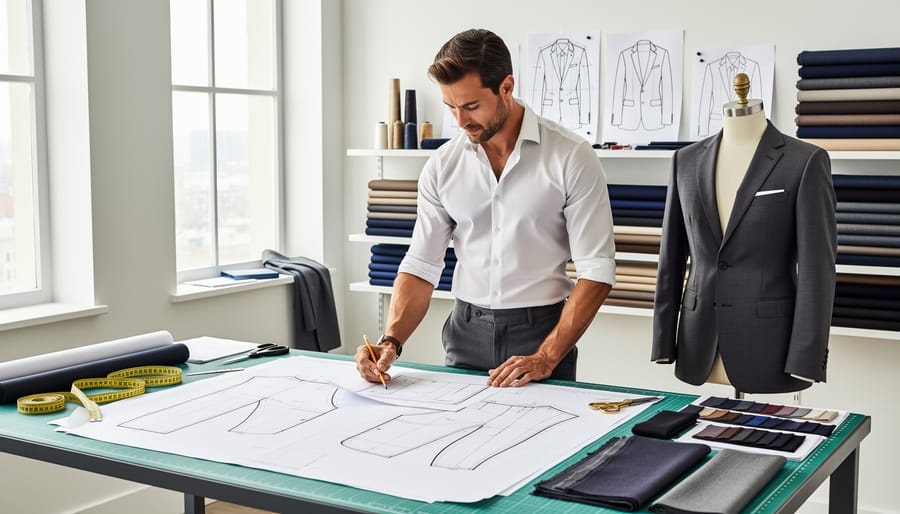
Menswear designers sit at the creative heart of the industry, conceptualizing collections from initial sketches through final runway presentations. They’re responsible for interpreting cultural trends, developing seasonal themes, selecting fabrics and trims, creating technical specification sheets, and collaborating with pattern makers and sample sewers to bring their vision to life. This is where artistic vision meets commercial viability, you’ll need to design clothes men actually want to wear while pushing creative boundaries.
What makes this one of the cool guy jobs in fashion? You’re literally shaping how men dress, influencing everything from streetwear silhouettes to tailored proportions. Your work affects thousands of customers and potentially sets trends that ripple across the industry. The creative satisfaction is immense, especially when you see your designs worn in the wild.
The path typically involves a fashion design degree (BFA or similar), though exceptional portfolio work can sometimes substitute for formal education. Your portfolio needs to showcase sketching ability, technical proficiency, understanding of construction, fabric knowledge, and a cohesive design aesthetic. Include flat sketches, mood boards, fabric swatches, and photos of finished garments you’ve made. Many designers start as assistant designers or interns, learning the technical and business sides before leading their own collections.
With 51 menswear design jobs currently open in Canada, opportunities exist beyond major fashion capitals. Smaller brands, emerging labels, and regional manufacturers all need design talent. Salaries vary widely, assistant designers might start around $40,000-50,000, while experienced lead designers at established brands can earn six figures. The role demands constant trend research, technical precision, deadline management, and the resilience to handle rejection when buyers pass on your collection.
2. Personal Stylist or Image Consultant
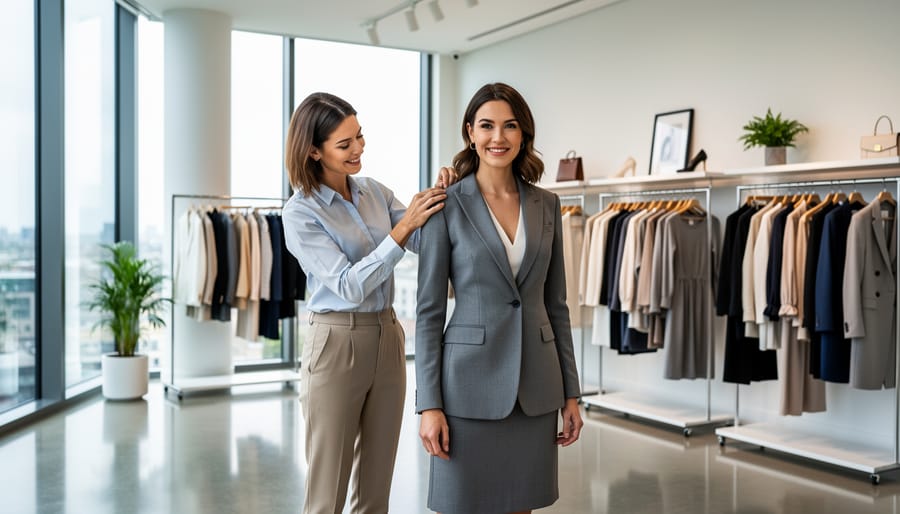
Personal stylists and image consultants occupy a unique space in menswear: you become the architect of someone’s visual identity. Unlike designers who create clothes, stylists master the art of selecting, combining, and tailoring existing pieces to transform how clients present themselves to the world. Your typical day might involve conducting wardrobe audits where you ruthlessly edit a client’s closet, shopping trips where you teach a nervous 30-year-old how to spot quality construction, or video calls mapping out looks for a job interview or first date.
The work demands an eye for proportion and fit that goes beyond fashion rules. You’ll learn to read body types, understanding why a man with broad shoulders needs different jacket cuts than someone with a longer torso, and translate abstract concepts like “professional but approachable” into actual outfits. Personal branding forms the strategic foundation: successful stylists help clients align their clothing with career goals, dating intentions, or life transitions. A corporate lawyer climbing the partnership ladder needs different guidance than an entrepreneur building a personal brand on LinkedIn.
Career structure splits two ways. Employed positions exist with high-end retailers, luxury brands, or styling services where you work with assigned clients and receive benefits. Freelance work offers autonomy and potentially higher earnings but requires building your own client base through networking, referrals, and social proof. Many stylists start employed to learn client management and develop relationships before launching independent practices.
The impact runs deeper than aesthetics. When you help a divorced 40-year-old rebuild his confidence through clothes that actually fit, or prepare a recent graduate for career-making interviews, you’re directly influencing life outcomes. Stylists frequently hear that better wardrobes led to promotions, successful dates, or newfound self-assurance, tangible proof that this role changes lives beyond the surface.
3. Fashion Buyer or Merchandiser
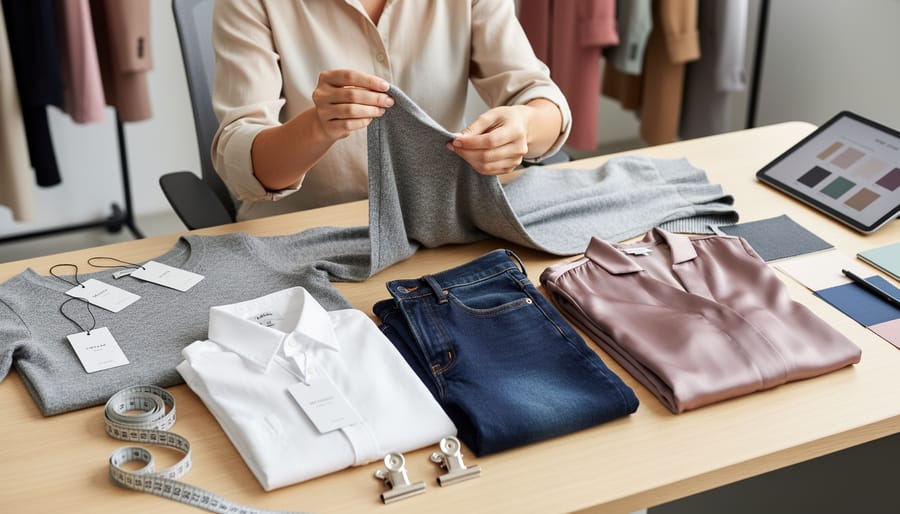
Fashion buyers and merchandisers operate in the industry’s strategic nerve center, making decisions that determine which suits, shirts, and accessories actually land on store shelves. They’re the gatekeepers between designers and consumers, wielding significant influence over what men wear each season.
As a menswear buyer, you’ll analyze sales data to predict which trends will resonate with your target demographic, attend trade shows to discover emerging brands, and negotiate pricing with suppliers. You’re essentially curating a collection that balances creative vision with commercial viability, your selections need to excite customers while hitting profit margins. Merchandisers take this a step further, planning inventory levels, determining markdown strategies, and ensuring the right products appear in the right quantities at optimal times.
The role demands a unique skill set. You need analytical chops to interpret sales reports and forecast demand, business acumen to negotiate favorable terms with vendors, and fashion intuition to spot trends before they peak. Strong buyers understand their customer deeply, for menswear, that means knowing whether your demographic prioritizes classic investment pieces or trend-driven styles, how they shop, and what price points convert.
Most buyers start in entry-level retail or assistant buying positions, gradually building expertise in product categories. A background in business, marketing, or fashion merchandising helps, though many successful buyers develop their skills through hands-on retail experience. You’ll typically work for department stores, specialty menswear retailers, or multi-brand boutiques.
The satisfaction comes from seeing your curated selection perform well and knowing you shaped how thousands of men in your market dress. When you nail a trend and inventory sells through, you’ve successfully bridged creativity and commerce.
4. Retail Manager or Store Lead

Retail management represents one of the most accessible entry points into menswear careers, with over 11,000 clothing retail positions currently available across Canada. Unlike specialized design or styling roles, retail leadership lets you start building industry experience while earning a competitive salary, and many of the country’s leading employers, including Old Navy, ALDO Group, and Spencer’s, consistently hire for these positions.
As a retail manager or store lead in menswear, you’re responsible for far more than ringing up sales. You’ll build and train teams who understand how to help men find clothes that actually fit and flatter. You’ll analyze sales data to determine which styles resonate with your local market, then adjust inventory and merchandising displays accordingly. Customer experience becomes your domain: creating an environment where guys feel comfortable asking questions, trying new styles, and trusting your team’s recommendations.
The role demands a blend of people skills and business acumen. You’ll coach sales associates on fit fundamentals and how to read customers who need guidance without hovering. You’ll manage schedules, resolve conflicts, and hit revenue targets. You’ll also serve as the bridge between corporate direction and on-the-ground reality, providing feedback about what your specific customer base actually wants versus what headquarters thinks they should want.
What makes retail management particularly valuable for your career is the 360-degree view it provides. You’ll understand profit margins, inventory turnover, seasonal planning, and customer psychology, knowledge that transfers directly to buying, merchandising, or brand marketing roles. Many fashion executives started exactly here, learning the business from the sales floor up rather than from a design studio down.
5. Brand Marketing Specialist

Brand marketing specialists in menswear operate at the intersection of creativity and consumer psychology, translating a brand’s identity into campaigns that connect with modern men. Unlike general marketing roles, this position demands an intimate understanding of what drives the male consumer, confidence, authenticity, and practical style solutions rather than fleeting trends.
Your core responsibilities center on developing multi-channel campaigns that tell compelling brand stories. This means creating seasonal launches that showcase new collections, crafting email sequences that convert subscribers into customers, and managing social media channels where menswear brands build their communities. You’ll analyze engagement metrics to understand which content resonates, whether that’s fit guides, styling tutorials, or behind-the-scenes design process.
Influencer partnerships have become essential to menswear marketing. You’ll identify and collaborate with style creators whose audiences align with your brand’s demographic, negotiating content partnerships and measuring their impact on brand awareness and sales. This requires vetting potential partners for authentic style credibility, not just follower counts.
The work demands both creative vision and data literacy. You’ll develop brand voice guidelines, write compelling product descriptions, and concept photoshoots that capture the lifestyle your target customer aspires to. Simultaneously, you’re tracking conversion rates, analyzing customer journey data, and adjusting strategy based on what the numbers reveal about your 25-45 male audience.
Success in this role requires genuine enthusiasm for menswear and the ability to speak the language of your customer. If you understand why a man chooses one fit over another, what makes him trust a brand recommendation, and how clothing impacts his confidence, you can create marketing that converts browsers into loyal customers.
6. Fashion Content Creator or Blogger
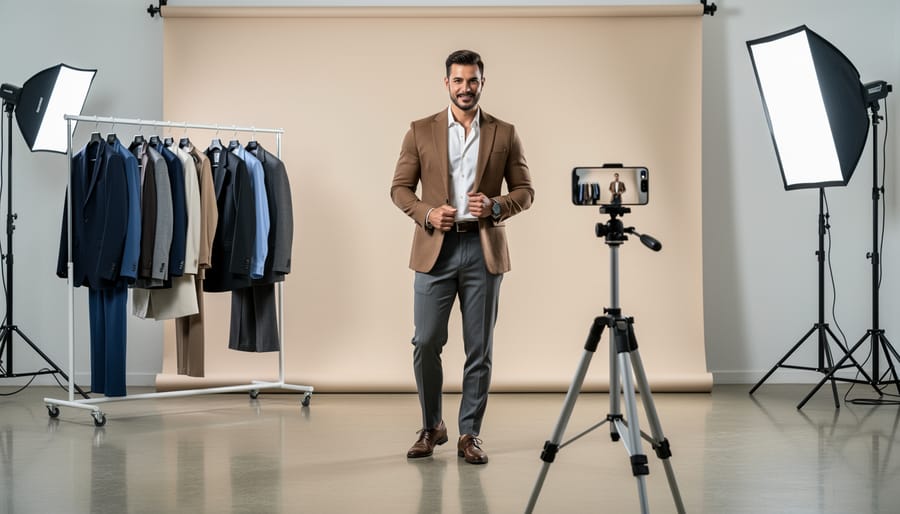
Creating menswear content has evolved from a niche hobby into a legitimate career path. Whether you run your own blog, build a following on social media, or write for established men’s lifestyle publications, this role lets you shape how men approach style, grooming, and confidence.
Content creators produce style guides that break down trends into actionable advice, teaching readers how to wear the season’s colors or build a capsule wardrobe. You’ll write product reviews that help men make informed purchases, from testing dress shoes to comparing grooming products. The scope extends beyond clothing: grooming routines, dating advice, fitness tips, and lifestyle recommendations all fall under menswear content when they help men improve their appearance and confidence.
This career offers flexibility that traditional fashion roles don’t. Many creators work independently, monetizing through affiliate partnerships, sponsored content, or consulting. Others join established brands or publications as staff writers or freelance contributors. The barrier to entry is low, you need writing skills, genuine knowledge of menswear, and the ability to connect with your audience through authentic voice.
Success requires consistency and expertise. You’re not just writing; you’re building trust with readers who rely on your judgment for purchasing decisions and style direction. Start by developing a clear niche, whether that’s affordable everyday style, luxury menswear, grooming science, or helping men dress for specific body types. Your personal style becomes your credential; readers want to see you understand what you’re teaching.
7. Product Developer or Technical Designer
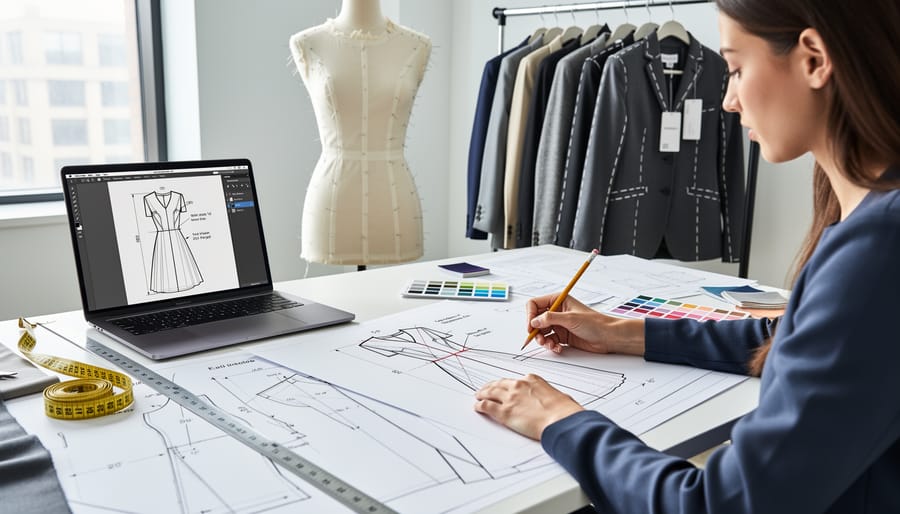
Product developers and technical designers occupy the essential bridge between creative vision and physical reality in menswear. While designers sketch the look, these professionals determine whether it can actually be manufactured at scale and worn comfortably by real men.
Your day revolves around fit sessions, fabric analysis, and production specifications. You’ll drape muslins on fit models, measuring sleeve pitch and shoulder drop to ensure a shirt moves naturally when a man reaches for his coffee. You’ll test denim weights to find the perfect balance between structure and comfort, or source jersey knits that hold their shape through repeated washes. Every detail, button placement, seam construction, inseam finishing, requires your sign-off.
The role demands both left-brain and right-brain thinking. You need technical knowledge of garment construction, pattern grading, and textile properties, but also the creative eye to spot when a pocket ruins a jacket’s proportions. Many product developers work directly with overseas factories, troubleshooting production issues and ensuring quality standards are met thousands of miles away.
This path suits detail-oriented problem solvers who get satisfaction from making ideas wearable. You might start as a production assistant or quality control technician, learning construction from the inside out. Some technical designers come from pattern-making backgrounds, while others transition from retail management after developing deep product knowledge.
The work isn’t glamorous, you’re more likely to be examining stitches under a magnifying glass than attending fashion shows, but it’s critical. Without skilled product developers, even the coolest menswear designs never make it from the mood board to men’s closets.
Practical Information: How to Find and Land Menswear Jobs Near You
Finding menswear jobs locally requires a targeted approach across multiple platforms. With 3,151 fashion job openings currently available in Canada, including 186 men fashion positions and 107 men clothing roles, the opportunities exist, you just need to know where to look and how to position yourself effectively.
Start with mainstream job boards like Indeed, LinkedIn, and Glassdoor, filtering for fashion, retail, and apparel categories within your city or region. These platforms list everything from the 11,000+ retail positions at employers like Old Navy and ALDO Group to specialized roles in styling and design. Set up job alerts for keywords like “menswear,” “men’s fashion,” “men’s clothing,” and specific role titles you’re targeting.
| Platform | Best For | When to Use |
|---|---|---|
| Indeed/LinkedIn | Retail, management, corporate roles | Broad search across all experience levels |
| Fashion-specific boards (BOF Careers, Fashion Jobs) | Design, merchandising, marketing | Specialized positions requiring industry experience |
| Brand websites directly | All positions at specific companies | Targeting particular brands you admire |
| Instagram/networking | Styling, content creation, boutique roles | Building relationships and discovering unadvertised opportunities |
Don’t overlook networking as a critical job search tool. Follow local menswear boutiques, tailors, and men’s fashion accounts on Instagram, engage with their content, and visit stores in person. Many positions, particularly in styling, buying, and boutique management, get filled through referrals before they’re publicly posted. Attend local fashion events, join industry groups on LinkedIn, and let your network know you’re actively seeking menswear opportunities.
For your application materials, tailor your resume to highlight relevant experience even if it’s not directly in fashion. Customer service skills, sales achievements, and any evidence you understand menswear trends matter more than a fashion degree. If you’re pursuing creative roles like styling or design, develop a portfolio showing your work: outfit combinations demonstrating you can master styling concepts, mood boards for different occasions, or knowledge of types of suits and how to fit them properly.
Employers look for genuine passion for menswear, strong communication skills, and commercial awareness, understanding what sells and why. Demonstrate you follow trends, know the brands and designers shaping men’s fashion, and can articulate why specific pieces work for different customers. Your personal style matters too; showing you care about how you present yourself signals you’ll bring that same attention to detail to the role.
Local Tips: Breaking Into the Menswear Industry
Breaking into menswear doesn’t require a fashion degree or connections at luxury brands, it requires smart strategy and genuine passion. Your personal style matters more than your resume here. If you dress well and can articulate why certain pieces work, you’re demonstrating expertise that hiring managers recognize instantly. Start documenting your own style journey through social media or a simple blog, showing you understand fit, fabric, and how to build coherent outfits. This becomes your portfolio, especially for styling or content roles.
Retail experience gives you unmatched insight into what actually sells versus what designers think should sell. Spend six months at a menswear retailer, absorb everything about customer preferences and inventory flow, then leverage that knowledge when applying for specialized positions. Network aggressively within your local fashion community: attend industry events, connect with store managers on LinkedIn, and join menswear groups where professionals share opportunities. Stay current by following casual fashion trends and understanding what’s driving the market right now.
The choice between retail and specialized roles depends on your timeline. If you need income immediately, start retail and build from there. If you have financial runway, develop your skills, learn Adobe Creative Suite for design roles, take styling courses, or create content showcasing your menswear knowledge. Either path works; what matters is showing you understand men’s fashion beyond surface trends and can help guys look better.
Frequently Asked Questions
Do you need a fashion degree to work in menswear? Not necessarily. While formal education helps for design and technical roles, many successful professionals enter through retail experience, self-taught styling skills, or transferable expertise from marketing and sales. The 11,000+ retail positions across Canada often serve as accessible entry points that don’t require fashion credentials.
What’s the typical salary range for menswear careers? Entry-level retail and styling positions typically start at $35,000-45,000 annually, while experienced buyers, designers, and brand managers can earn $60,000-100,000+. Freelance stylists and content creators have more variable income depending on client base and platform success.
Can I work remotely in menswear, or is it all in-person?
It depends on the role. Design, marketing, and content creation positions increasingly offer hybrid or remote options, while retail management, styling, and product development require in-person work. Many professionals blend both, handling buying or brand work remotely while attending trade shows and fittings in person.
Do I need to live in Toronto or Vancouver to find menswear jobs?
Major cities offer more opportunities and higher concentrations of fashion employers, but the 3,151 fashion openings across Canada include positions in mid-size markets. Remote roles and freelance styling work especially well outside fashion hubs.
How do I transition into menswear from an unrelated industry?
Start by developing relevant skills in your spare time, build a portfolio, style friends, create content, or take a retail position part-time. Transferable abilities like sales, marketing, project management, and customer service translate well to fashion roles.
What’s the job security like in menswear?
Retail and styling roles can be competitive, but the menswear market continues growing as men invest more in personal style. Building diverse skills across multiple areas, say, combining styling knowledge with content creation or marketing, increases stability.
How long does it take to establish yourself in a menswear career?
Most professionals spend 2-3 years building foundational experience before moving into specialized or senior roles. Freelancers typically need 1-2 years to develop a stable client base, though timeline varies based on networking and skill development.
The path into menswear isn’t one-size-fits-all. Your background, location, and whether you want employee stability or freelance flexibility all shape which route makes sense. What matters most is genuine interest in helping men improve their style and willingness to start somewhere, even if it’s not your dream role immediately.
The menswear industry isn’t just hiring, it’s evolving, and there’s never been a better time to turn your passion for men’s style into a career that matters. Whether you’re drawn to the creative freedom of design, the personal impact of styling, the analytical challenge of buying and merchandising, or the leadership opportunities in retail management, you’ve got 3,151 fashion openings across Canada waiting for someone with your perspective and drive.
You don’t need to choose between doing work you love and building a stable career. The seven paths we’ve covered prove that menswear offers both. Start where your skills intersect with opportunity: if you’re analytical, explore buying and merchandising. If you connect easily with people, consider personal styling or retail leadership. If you’ve got a creative portfolio, those 51 menswear design positions need fresh talent. Even the 11,000+ retail roles can serve as your entry point into a larger career, teaching you the product knowledge, customer insights, and industry connections that fuel every other position in this field.
The coolest part? You’ll spend your days helping men discover confidence through better style, a job that genuinely improves lives while letting you work in an industry you’re already passionate about. Pick one path, build one new skill this month, and take one action toward your first menswear role. Your career in men’s fashion is closer than you think.